Back Pain After Walking or Standing? What Ballincollig Physios Check First
Understanding Back Pain After Walking or Standing
At Achilles Physio Clinic in Ballincollig, Cork, we often encounter patients suffering from back pain that seems to worsen after prolonged walking or standing. Understanding the underlying causes is crucial for effective treatment and management. In this guide, we will delve into the most common causes of back pain, what our physiotherapists check first during an assessment, and how you can manage and alleviate your symptoms.
What Causes Back Pain After Walking or Standing?
Back pain following extended periods of walking or standing can arise from several conditions, including:
- Muscle Strain: Overexertion or improper lifting can lead to muscle strain, resulting in inflammation and pain.
- Postural Issues: Poor posture while standing or walking can place unnecessary stress on the spine and back muscles.
- Herniated Discs: Discs that become herniated can press on spinal nerves, causing pain that can radiate to other areas.
- Sciatica: Compression of the sciatic nerve may result in pain that affects the lower back and legs.
- Arthritis: Conditions like osteoarthritis can lead to joint degeneration, resulting in back pain during activity.
How Can I Treat My Back Pain?
Treating back pain effectively requires a comprehensive approach. At Achilles Physio Clinic, our physiotherapists employ various techniques based on a thorough assessment. Some common treatment modalities include:
- Physical Therapy: Tailored exercises to strengthen the back and improve flexibility.
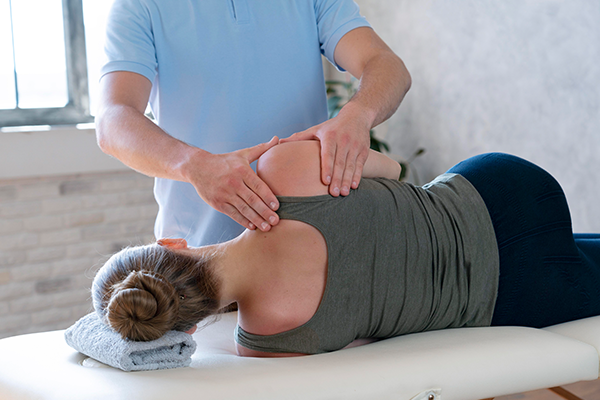
- Manual Therapy: Techniques such as joint mobilization and manipulation to alleviate pain.
- Heat or Ice Therapy: Applying heat or ice can help reduce inflammation and alleviate pain.
- Ergonomic Assessments: Modifying workstations or daily activities to promote better posture.
What Do Ballincollig Physios Check First?
During your initial assessment at Achilles Physio Clinic, our physiotherapists will focus on several key areas:
- Medical History: Understanding your medical history helps identify risk factors.
- Physical Examination: A comprehensive exam to assess posture, range of motion, and pain points.
- Foot Alignment: Since foot mechanics greatly impact the back, exams will include checking for flat feet, high arches, or other foot conditions.
- Gait Analysis: Observing how you walk can uncover issues related to your back pain.
Can Foot Conditions Contribute to Back Pain?
Yes, certain foot conditions can significantly impact back health. Here are a few examples:
- Plantar Fasciitis: Inflammation of the plantar fascia can lead to compensatory gait patterns, straining the back.
- Flat Feet: Lack of arch support can cause misalignment up the kinetic chain, affecting the lumbar region.
- High Arches: Can lead to excessive pressure on the heel and ball of the foot, impacting posture and back health.
How Can I Prevent Back Pain After Walking or Standing?
To prevent back pain, consider the following proactive measures:
- Practice Good Posture: Maintain a neutral spine position while standing or walking.
- Wear Supportive Footwear: Shoes with good arch support can play a vital role in preventing back pain.
- Stay Active: Regular low-impact activities, like walking and swimming, can help strengthen back muscles.
- Stretch Regularly: Incorporate specific stretches for the back and legs to enhance flexibility.
FAQs About Back Pain
1. What is the most common cause of back pain?
The most frequent cause is muscle strain due to improper lifting or overexertion.
2. Is back pain a sign of a serious condition?
While many back pain instances are not serious, persistent pain warrants medical assessment to rule out conditions like herniated discs or arthritis.
3. How long does recovery from back pain take?
Recovery can vary widely; most minor strains improve within a few weeks, while chronic conditions may require ongoing management.
4. Can physiotherapy help with long-term back pain?
Yes, physiotherapy can provide significant benefits by identifying underlying issues and developing personalized treatment plans.
5. When should I see a doctor for back pain?
If back pain is severe, persistent for more than a few weeks, or accompanied by other symptoms such as numbness or weakness, you should consult a healthcare professional.
Conclusion
If you are experiencing back pain after walking or standing, it is essential to receive a proper assessment to identify the root cause. At Achilles Physio Clinic in Ballincollig, Cork, our dedicated physiotherapists are committed to helping you identify and treat your pain effectively. Don’t let back pain affect your quality of life — book your appointment today and take the first step towards relief.
