Ballincollig Clinic’s Approach to Muscle‑Related Hip Pain (It’s Not Always Arthritis)
Ballincollig Clinic’s Approach to Muscle‑Related Hip Pain (It’s Not Always Arthritis)
Welcome to Achilles Physio Clinic, located in Ballincollig, Cork. At our clinic, we understand that hip pain can be a debilitating condition affecting your daily life. Many patients often assume that their discomfort is due to arthritis; however, muscle-related hip pain is surprisingly common and can stem from various factors. In this article, we will explore the causes, symptoms, and effective treatment options for muscle-related hip pain, and how our clinic can help you regain your mobility and comfort.
What Causes Muscle-Related Hip Pain?
Muscle-related hip pain is commonly attributed to various sources, including:
- Tendonitis: Inflammation of the tendons around the hip joint can lead to significant discomfort. Conditions such as gluteal tendonitis or iliopsoas tendonitis are frequent culprits.
- Strain or Sprain: Overexertion during physical activities or sports can cause muscles and ligaments around the hip joint to stretch or tear.
- Bursitis: The bursae are small fluid-filled sacs that reduce friction. Inflammation of the hip bursae (trochanteric bursitis) can result in pain and swelling.
- Muscle Imbalances: Weakness or tightness in the surrounding muscles such as the quadriceps, hamstrings, and hip flexors can contribute to uneven stress on the hip joint.
- Posture-Related Issues: Poor posture or biomechanics during walking or running can lead to muscle strain and discomfort in the hip area.
What are the Symptoms of Muscle-Related Hip Pain?
Symptoms of muscle-related hip pain may vary from person to person, but common indicators include:
- Dull, aching pain in the hip or thigh
- Pain during physical activities like walking, running, or climbing stairs
- Stiffness or reduced range of motion
- Tenderness when pressing on the affected area
- Swelling or warmth around the joint
How Can I Treat Muscle-Related Hip Pain?
At Achilles Physio Clinic, we employ a comprehensive approach to treating muscle-related hip pain. Depending on the underlying cause, our treatment options may include:
- Physical Therapy: Tailored exercises that strengthen and stretch the muscles around the hip can alleviate pain and improve mobility.
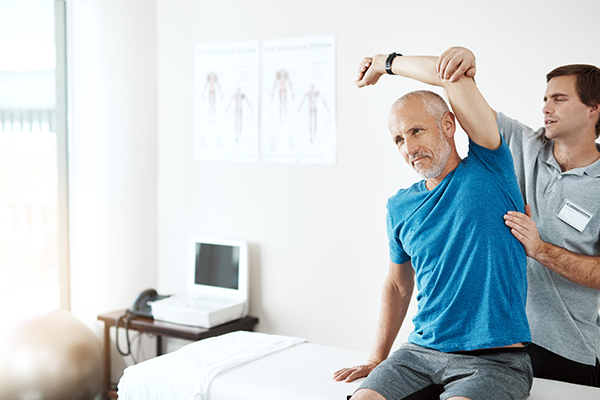
- Manual Therapy: Techniques such as joint mobilization and soft tissue manipulation can help reduce pain and enhance movement.
- Ice and Heat Therapy: Applying ice can reduce swelling, while heat can relax tight muscles, providing symptomatic relief.
- Anti-Inflammatory Medications: Over-the-counter pain relievers like ibuprofen can help manage inflammation and pain.
- Education on Ergonomics: We teach our patients proper posture and movement techniques to prevent injury and promote long-term health.
Am I at Risk for Muscle-Related Hip Pain?
Certain lifestyle and occupational factors can increase your risk of developing muscle-related hip pain, including:
- Runner’s gait and incorrect footwear
- Overuse and high-impact sports
- Obesity and lack of physical fitness
- Aging and prior hip injuries
What Happens if Muscle-Related Hip Pain Is Left Untreated?
If left untreated, muscle-related hip pain can lead to chronic issues such as:
- Persistent or worsening pain
- Decreased mobility and flexibility
- Increased risk of injury to other joints or muscles
Frequently Asked Questions (FAQ)
- Can muscle-related hip pain be mistaken for arthritis? Yes, the symptoms can overlap, but proper assessment by a qualified professional can help in identifying the root cause.
- How long does recovery take for muscle-related hip pain? Recovery depends on the severity of the condition and adherence to treatment protocols. Mild cases may improve within a few weeks, while chronic issues may require more extended management.
- Are there specific exercises to avoid if I have hip pain? High-impact activities and exercises that cause significant strain on the hip should be avoided until cleared by a healthcare provider.
- Can lifestyle changes help alleviate hip pain? Absolutely! Weight loss, increased activity, and postural improvements can significantly reduce pain levels.
- When should I see a doctor for hip pain? If your pain persists despite self-care measures or if it significantly impacts your daily activities, it is essential to seek medical attention.
At Achilles Physio Clinic, we are dedicated to providing thorough assessments and personalized treatment plans tailored to your specific needs. Our team of experienced professionals in Ballincollig, Cork, is here to help you overcome muscle-related hip pain and enhance your quality of life.
If you are experiencing hip pain and want to explore your treatment options, we encourage you to book an appointment with us today. Let us help you get back to the activities you love!
