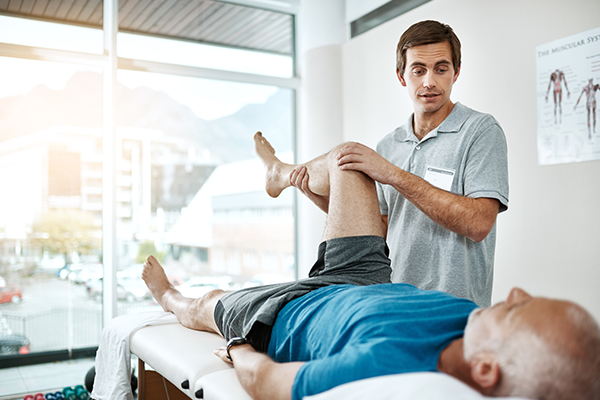
Ballincollig Clinic’s Take on Rotator Cuff Injuries You Didn’t Know You Had
Understanding Rotator Cuff Injuries
At Achilles Physio Clinic in Ballincollig, Cork, we want to shine a light on a lesser-known yet significant condition — rotator cuff injuries. While typically associated with the shoulder, rotator cuff issues can be linked to foot and leg biomechanics. Many patients are unaware that these injuries could affect their overall mobility and quality of life.
What is the Rotator Cuff?
The rotator cuff is a group of four muscles and their associated tendons that stabilize the shoulder joint, allowing a wide range of motion. The primary muscles involved are:
- Supraspinatus: Responsible for shoulder abduction.
- Infraspinatus: Involved in external rotation.
- Teresa Minor: Helps with external rotation and adduction.
- Subscapularis: Responsible for internal rotation.
Though these muscles are essential for shoulder movement, their dysfunction may lead to compensatory patterns in the body that can affect gait and foot mechanics.
What Causes Rotator Cuff Injuries?
Rotator cuff injuries can occur due to various factors, including:
- Aging: Wear and tear on the tendons over time.
- Repetitive Activities: Jobs or sports that require overhead reaching can predispose individuals to injuries.
- Acute Injuries: Falls or accidents that impact the shoulder.
- Poor Posture: Slouching can lead to shoulder strain and imbalances.
A lesser-known aspect is how injuries and dysfunctions in the rotator cuff can also be influenced by compromised foot posture and gait. Functional movement relies on the synergy between the upper and lower body, which can often be disrupted by foot conditions like plantar fasciitis or flat feet, leading to compensatory movements that exacerbate shoulder injuries.
How Can I Treat Rotator Cuff Injuries?
If you suspect a rotator cuff injury, it's vital to seek assessment from a qualified medical professional. Here are some common treatment options that may be discussed during your visit:
- Physical Therapy: Specialized exercises to strengthen the shoulder and improve range of motion.
- Anti-Inflammatory Medication: Non-steroidal medications to reduce pain and inflammation.
- Corticosteroid Injections: For severe pain and inflammation, injections may provide temporary relief.
- Surgery: In cases of significant tears, surgical repair might be necessary.
Importantly, our clinic also emphasizes the interconnectedness of body mechanics. By addressing any underlying foot issues through treatments like orthotics or specific physiotherapy, we can help reduce the strain on the rotator cuff.
How Can I Prevent Rotator Cuff Injuries?
Prevention strategies are crucial in reducing the risk of rotator cuff injuries. Here are a few recommendations:
- Warm-Up: Always perform stretching and strengthening exercises before engaging in physical activity.
- Strength Training: Focus on exercises that strengthen both the shoulder and supporting muscle groups.
- Posture Correction: Work on improving your ergonomic positioning during daily activities.
- Foot Care: Maintain healthy feet through proper footwear and, when necessary, consult a podiatrist for specific concerns.
When Should I See a Doctor?
Seek professional advice if you experience:
- Persistent shoulder pain or weakness.
- Inability to raise your arm comfortably.
- Clicking or popping sounds in the shoulder joint.
Ignoring symptoms could result in exacerbation, so timely intervention is crucial.
Common Myths About Rotator Cuff Injuries
Despite its commonality, several misconceptions surround rotator cuff injuries:
- Myth 1: Only athletes get rotator cuff injuries.
Fact: These injuries can occur in anyone due to life activities and age-related wear. - Myth 2: Surgery is always required.
Fact: Many rotator cuff problems can be managed conservatively. - Myth 3: Rest is the best treatment.
Fact: Movement and rehabilitation exercises are crucial for recovery.
FAQ
1. What are the symptoms of a rotator cuff injury?
Common symptoms include shoulder pain, weakness, difficulty sleeping on one side, and limited range of motion.
2. Can rotator cuff injuries happen due to foot problems?
Yes, poor foot mechanics can lead to compensatory movements that may stress the shoulder region, including the rotator cuff.
3. How long does it take to recover from a rotator cuff injury?
Recovery time varies based on the severity of the injury, but many individuals see improvement within a few weeks with appropriate treatment.
4. Are there specific exercises to strengthen the rotator cuff?
Yes, exercises like internal and external rotations with resistance bands, and shoulder blade squeezes can help strengthen the rotator cuff.
5. When should I consider surgical options for a rotator cuff injury?
Consult your healthcare provider if there's significant tears, persistent pain, or lack of improvement with conservative treatments.
Conclusion
At Achilles Physio Clinic, we understand the intricate link between foot health and overall body mechanics. Rotator cuff injuries may often be overlooked, but their impact can resonate through your entire body. Located in Ballincollig, Cork, our expert team is here to help. We encourage you to take the first step towards recovery and optimal health by booking an appointment today.
