Ballincollig’s Back Pain Recovery Plan for People With Sedentary Jobs
Understanding Back Pain in Sedentary Jobs
At Achilles Physio Clinic in Ballincollig, Cork, we understand that many individuals in sedentary jobs face the challenge of back pain. This condition is becoming increasingly prevalent in today’s office-centric work environment, where prolonged sitting can lead to discomfort and mobility issues. In this article, we will outline an effective recovery plan designed specifically for those suffering from back pain due to sedentary lifestyles.
What Causes Back Pain in Sedentary Workers?
Back pain is often a result of prolonged static postures, poor ergonomics, and inadequate muscle strength. Here are some common contributors to back pain for individuals in sedentary jobs:
- Poor Posture: Sitting incorrectly can put excessive strain on the spine, leading to muscular imbalances.
- Lack of Movement: Extended periods of inactivity can weaken the spinal muscles and surrounding structures, resulting in pain.
- Improper Desk Setup: An unergonomic workstation can contribute to discomfort, placing stress on the back.
- Muscle Weakness: Sedentary lifestyles can lead to weakened core muscles, failing to provide adequate support to the spine.
- Stress: Psychological stress can cause muscle tension, further exacerbating pain levels.
How Can I Treat My Back Pain?
Relieving back pain often requires a multi-faceted approach combining physical therapy, lifestyle changes, and ergonomic adjustments. Here are recommended strategies:
1. Professional Physiotherapy
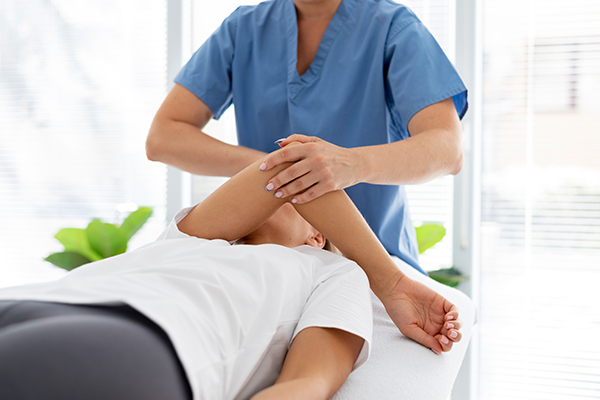
At Achilles Physio Clinic, we provide personalized physiotherapy sessions. Our expert physiotherapists will assess your condition and create a tailored treatment plan that may include:
- Manual therapy to relieve tension and improve flexibility
- Exercise therapy focusing on strength and stability for the core and back
- Postural training to encourage healthier sitting habits
- Education about body mechanics during daily tasks
2. Ergonomic Adjustments
Evaluate your work environment to ensure that it supports your body. Consider the following adjustments:
- Use a chair that offers lumbar support.
- Ensure your monitor is at eye level to avoid straining the neck.
- Place your feet flat on the floor, with knees at or below hip level.
- Utilize a sit-stand desk if possible to promote movement throughout the day.
3. Exercise and Movement
Integrating short breaks for movement into your daily routine can significantly reduce back pain. Recommended activities include:
- Stretching exercises that target the back and hips
- Strength training focusing on the core, glutes, and back muscles
- Light aerobic exercises such as walking or cycling to improve circulation
4. Self-Care Techniques
In addition to professional treatment, implementing self-care strategies can enhance recovery:
- Application of heat or cold packs to alleviate pain
- Maintaining a healthy weight to reduce stress on the spine
- Practicing mindfulness or relaxation techniques to relieve stress
What Foot Conditions Can Contribute to Back Pain?
Many patients might be surprised to learn that foot conditions can significantly influence back pain. Some common foot issues include:
- Flat Feet: This condition can lead to improper alignment of the pelvis and spine.
- High Arches: They might cause strain on the back due to improper weight distribution.
- Plantar Fasciitis: Chronic foot pain can lead to shifts in walking patterns, impacting back health.
What Additional Strategies Can Aid Recovery?
Consider incorporating these additional recovery strategies into your plan:
- Maintain flexibility through regular stretching.
- Stay hydrated to support tissue health.
- Consult a podiatrist for foot-related issues contributing to back pain.
FAQs About Back Pain and Sedentary Lifestyles
1. How can I tell if my back pain is serious?
If you experience severe, persistent pain, or symptoms such as numbness or tingling in your legs, you should seek medical attention.
2. How long will it take to recover from back pain?
Recovery time varies by individual and the underlying cause, but with consistent treatment, most patients see improvement within a few weeks.
3. Is surgery ever necessary for back pain?
Surgery is usually considered a last resort, following extensive non-invasive treatments. Many cases can be managed effectively with physiotherapy.
4. Can poor footwear cause back pain?
Yes, inadequate footwear can lead to misalignments and conditions that contribute to back pain. Proper arch support is crucial.
5. Should I avoid exercise if I have back pain?
It’s essential to remain active unless otherwise directed by your healthcare provider. Low-impact exercises can often help alleviate pain.
Conclusion
At Achilles Physio Clinic in Ballincollig, Cork, our focus is on helping those with sedentary jobs effectively manage and recover from back pain. By understanding the causes, implementing a targeted recovery plan, and making necessary lifestyle changes, patients can experience significant relief and improve their quality of life. If you’re struggling with back pain, we encourage you to book an appointment with our team today and start your journey towards pain-free living.
