Ballincollig’s Guide to Hip Bursitis: Causes, Pain Relief & Exercises
Welcome to Achilles Physio Clinic in Ballincollig, Cork
If you’re experiencing hip pain, you may be suffering from hip bursitis. At Achilles Physio Clinic, we are dedicated to providing you with expert insights and practical advice to help you manage your symptoms and regain your mobility. In this guide, we will explore the causes, effective pain relief methods, and exercises for hip bursitis, ensuring you have the information you need to make informed decisions about your health.
What is Hip Bursitis?
Hip bursitis, also known as greater trochanteric bursitis, is an inflammation of the bursa—a small, fluid-filled sac that acts as a cushion between bones and soft tissues in the hip joint. This condition typically results in pain on the outer side of the hip and can hinder daily activities.
What Causes Hip Bursitis?
Understanding the causes of hip bursitis is crucial for effective treatment. Common factors that contribute to this condition include:
- Overuse: Repetitive activities like running or cycling can strain the hip, leading to inflammation.
- Injury: Trauma to the hip area, such as a fall, can cause bursitis.
- Age: As we age, the risk of inflammation increases, making older adults more susceptible to bursitis.
- Poor Posture: Misalignments in posture can place excess stress on the hip, resulting in inflammation.
- Underlying Conditions: Conditions such as rheumatoid arthritis or osteoarthritis can predispose individuals to bursitis.
How Can I Treat Hip Bursitis?
Effective treatment of hip bursitis aims to reduce inflammation, manage pain, and restore mobility. Here are some evidence-based methods you can consider:
1. Rest and Ice
Taking a break from activities that exacerbate your pain is essential. Applying ice packs for 15-20 minutes every few hours can help reduce swelling and provide pain relief.
2. Physical Therapy
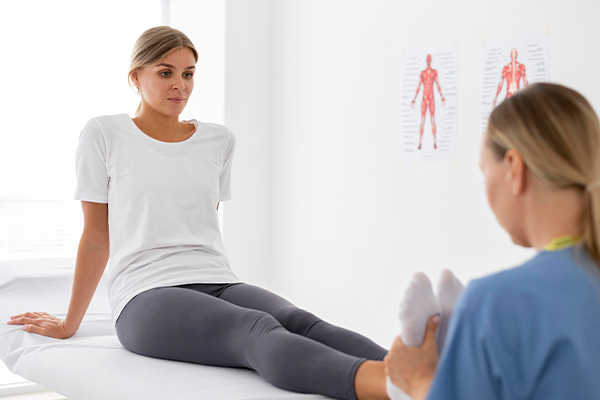
At Achilles Physio Clinic, our skilled physiotherapists can develop a tailored rehabilitation program. Physical therapy focuses on strengthening and stretching exercises that promote flexibility and stability in the hip joint.
3. Medications
Non-steroidal anti-inflammatory drugs (NSAIDs) such as ibuprofen or naproxen can alleviate pain and reduce inflammation. Always consult with a healthcare professional before starting any medication.
4. Corticosteroid Injections
For persistent symptoms, corticosteroid injections may be recommended. These can provide temporary relief by reducing inflammation directly at the site of pain.
5. Lifestyle Modifications
Incorporating lifestyle changes, such as maintaining a healthy weight and avoiding activities that stress the hip, can significantly improve your condition.
What Exercises Can Help with Hip Bursitis?
Gentle exercises can aid in recovery and help prevent future flare-ups of hip bursitis. Always consult with a health professional before starting any new exercise program. Here are some recommended exercises:
- Clamshells: Lying on your side with legs bent, lift the top knee while keeping your feet together. This strengthens hip abductors.
- Bridges: Lying on your back with knees bent, lift your hips towards the ceiling, squeezing your glutes at the top.
- Piriformis Stretch: Cross your right ankle over your left knee and gently pull the left thigh towards your chest.
- Hip Flexor Stretch: Kneel on one knee with the other foot in front, lean forward to stretch the hip flexor on the kneeling side.
How Long Will It Take to Heal?
The healing time for hip bursitis varies based on the severity of the condition and how well treatment protocols are followed. Many individuals notice improvement within a few weeks, but full recovery may take several months, especially with chronic bursitis.
FAQ
1. What are the symptoms of hip bursitis?
The primary symptom is pain on the outer side of the hip, which may radiate down the thigh. Other symptoms include swelling and tenderness in the affected area.
2. Can hip bursitis go away on its own?
Yes, mild cases of hip bursitis can improve with rest and self-care measures, but chronic cases may require medical intervention.
3. Is surgery necessary for hip bursitis?
Surgery is rare and usually considered only after conservative treatments have failed. The focus is generally on non-surgical methods.
4. How can I prevent hip bursitis?
To prevent hip bursitis, maintain a healthy weight, perform strength-training exercises, ensure proper footwear, and practice good posture during activities.
5. When should I see a doctor about my hip pain?
If your hip pain is severe, persists despite home treatment, or interferes with daily activities, it's essential to consult a healthcare professional.
Conclusion
Hip bursitis can significantly impact your quality of life, but with the right treatment and exercises, you can manage your symptoms effectively. At Achilles Physio Clinic in Ballincollig, Cork, we are here to support you on your journey to recovery. Don't let hip pain hold you back. Book an appointment today to receive expert care tailored to your needs.
