Ballincollig’s Physiotherapy Tips for Knees That Ache Going Down Stairs
Understanding Knee Pain When Descending Stairs
Knee pain can be a significant inconvenience, particularly when performing daily activities such as going down stairs. At Achilles Physio Clinic in Ballincollig, Cork, we understand the importance of mobility and the impact of knee discomfort on your quality of life. This article will explore the common causes of knee pain during stair descent, along with physiotherapy tips to alleviate symptoms and promote healing.
What Causes Knee Pain When Going Down Stairs?
Experiencing knee pain while descending stairs is prevalent and often arises from various underlying issues. Here are some of the most common causes:
- Patellofemoral Pain Syndrome: Often referred to as 'runner's knee', this condition is characterized by pain around the kneecap, especially when bending the knee or using stairs.
- Osteoarthritis: Degeneration of the knee joint cartilage can lead to pain, swelling, and stiffness, particularly noticeable during activities like going down stairs.
- Patellar Tendinitis: Inflammation of the tendon connecting the kneecap to the shinbone may cause pain, especially when bearing weight or performing repetitive motions.
- Meniscus Tears: Injury to the knee cartilage can result in pain, swelling, and difficulty with joint movement, frequently exacerbated by stair use.
- IT Band Syndrome: Irritation of the iliotibial band can lead to knee pain during activities that involve bending the knee, including walking down stairs.
How Can I Treat Knee Pain at Home?
Managing knee pain at home involves a combination of rest, self-care techniques, and gentle exercises. Here’s a recommended approach:
- Rest: Reduce activities that exacerbate knee pain, especially descending stairs. Consider using alternative routes that minimize stress on the knees.
- Ice Therapy: Apply ice packs to the affected knee for about 15-20 minutes every few hours to reduce pain and swelling.
- Compression: Use an elastic bandage or knee sleeve to help support the knee and decrease swelling.
- Elevation: Elevate the knee on a pillow when resting to help reduce swelling.
- Gentle Stretching and Strengthening: Engage in stretches for the quadriceps, hamstrings, and calves to improve flexibility. Strengthening exercises that focus on the quadriceps and glutes can also support the knee during stair climbing.
When Should I See a Physiotherapist?
If your knee pain persists or worsens despite home treatment, it’s advisable to consult a physiotherapist. At Achilles Physio Clinic, our experts can conduct a thorough examination to assess your condition and develop a tailored rehabilitation program. Signs that indicate a need for professional help include:
- Persistent pain that interrupts daily life
- Swelling that does not improve
- Difficulty bearing weight on the affected leg
- Locking or instability in the knee joint
What Physiotherapy Techniques Can Help?
At Achilles Physio Clinic, we utilize various physiotherapy techniques to treat knee pain effectively:
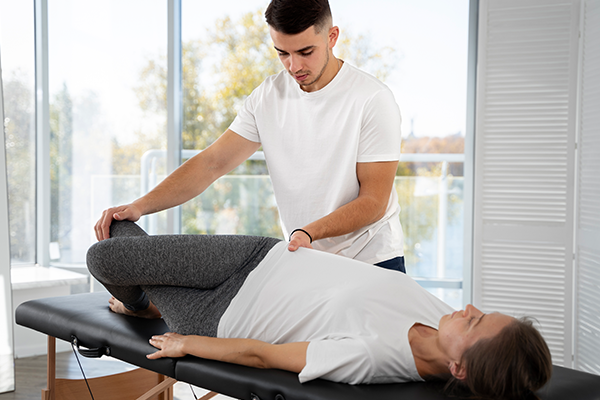
- Manual Therapy: Hands-on techniques to improve joint mobility and reduce pain.
- Exercise Prescription: Tailored conditioning programs that strengthen supporting muscles, improve balance, and enhance overall function.
- Ultrasound Therapy: This treatment may assist in reducing inflammation and promoting tissue healing.
- Education: Patients learn about body mechanics and how to avoid movements that may exacerbate knee pain.
Are There Long-term Strategies for Managing Knee Health?
Yes, long-term management strategies can lead to significant improvements in knee health and overall mobility:
- Maintain a Healthy Weight: Excess body weight increases stress on the knees, which can worsen pain and contribute to conditions like osteoarthritis.
- Stay Active: Regular physical activity, including low-impact exercises such as swimming or cycling, can strengthen muscles surrounding the knee without putting excessive strain on it.
- Footwear: Ensure you wear supportive footwear, particularly if you have flat feet or high arches, as improper support can affect knee alignment.
- Regular Check-ups: Scheduled visits to your physiotherapist can help monitor progress and make necessary adjustments to your treatment plan.
Frequently Asked Questions (FAQ)
1. How can I tell if my knee pain is serious?
If you experience persistent pain, swelling, or instability in your knee, it is crucial to seek professional evaluation. Signs of a serious condition include the inability to fully bend or straighten your knee, significant swelling, or pain that doesn’t improve with rest and ice.
2. What exercises are best for knee pain?
Low-impact exercises like swimming, cycling, and walking are excellent for maintaining knee health. Strengthening exercises that target the quadriceps and hamstrings can help support the knee joint.
3. Can physiotherapy help with knee osteoarthritis?
Yes, physiotherapy can significantly assist in managing osteoarthritis by emphasizing strengthening exercises, flexibility training, and pain management techniques.
4. Is it safe to exercise with knee pain?
It depends on the severity and underlying cause of the pain. It is best to consult with a physiotherapist who can recommend appropriate activities that will not exacerbate your condition.
5. How long does it take to recover from knee pain?
Recovery time varies depending on the cause of the pain and individual factors. Many people notice improvements within a few weeks of consistent treatment, while others may require a longer rehabilitation period.
Take the Next Step Towards Recovery
If you're struggling with knee pain while going down stairs or in other daily activities, don't hesitate to seek help. At Achilles Physio Clinic in Ballincollig, Cork, we are dedicated to providing comprehensive care tailored to your needs. Book your appointment today and take the first step towards a pain-free life!
