Ballincollig’s Guide to Sciatica Relief Without Relying on Painkillers
Understanding Sciatica: An Overview
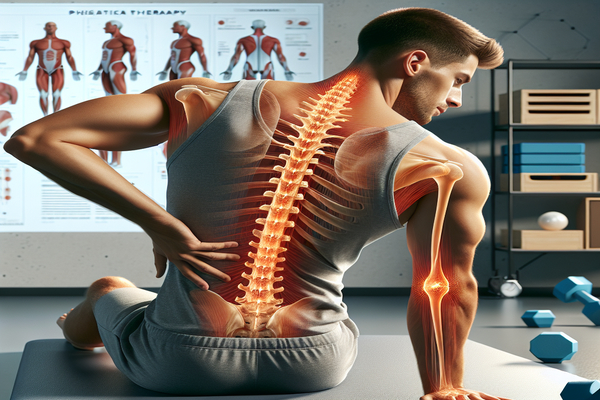
Sciatica is a common condition that causes pain radiating along the path of the sciatic nerve, which extends from the lower back, through the hips and buttocks, and down each leg. At Achilles Physio Clinic in Ballincollig, Cork, we understand that sciatica can significantly affect your quality of life. Common thought links sciatica with lower back pain, but it is essential to recognise that it can primarily affect your legs and feet.
What Causes Sciatica?
The underlying causes of sciatica can vary widely. The most common include:
- Herniated Discs: When the soft material within a spinal disc pushes out, it can irritate the surrounding nerve roots.
- Spinal Stenosis: This condition narrows the spinal canal, placing pressure on the sciatic nerve.
- Spondylolisthesis: A condition in which one vertebra slips over another, potentially pinching the sciatic nerve.
- Piriformis Syndrome: The piriformis muscle is located deep in the buttock and can spasm, irritating the sciatic nerve.
- Injury or Trauma: Unexpected injuries to the lower back can also trigger sciatica symptoms.
How Can I Identify Sciatica Symptoms?
The symptoms of sciatica can vary, but they typically include:
- Pain that radiates from the lower back to the buttock and down the leg.
- Sharp, shooting pain that makes it hard to stand up or move.
- Weakness or numbness in the affected leg or foot.
- A tingling sensation in the leg.
- Pain that worsens with prolonged sitting, standing, or movement.
How Can I Treat Sciatica Without Relying on Painkillers?
At Achilles Physio Clinic in Ballincollig, we advocate for a holistic approach to managing sciatica that focuses on physical therapies and lifestyle changes.
1. Physical Therapy
Working with a physical therapist can significantly improve your symptoms. Physical therapy may include:
- Stretching Exercises: These can help relieve tension in the lower back and hip muscles.
- Strengthening Exercises: Focus on the core and lower back muscles to provide support and stability.
- Manual Therapy: Techniques such as massage may help alleviate muscle tension and restore mobility.
2. Chiropractic Care
Chiropractic adjustments can help realign the spine and reduce nerve irritability. Our clinic collaborates with qualified chiropractors to enhance treatment outcomes.
3. Hot/Cold Therapy
Applying heat pads or cold packs can be beneficial in managing symptoms. Heat helps relax tight muscles, while cold therapy can reduce inflammation.
4. Maintain Proper Posture
Maintaining a proper posture, especially while sitting for extended periods, is crucial. Consider ergonomic chairs or lumbar support when working at a desk.
5. Lifestyle and Activity Changes
Regular exercise and maintaining a healthy weight can reduce the likelihood of lumbar disc degeneration, which can trigger sciatica. Low-impact activities, such as walking or swimming, are excellent options.
6. Mindfulness and Relaxation Techniques
Practising mindfulness through yoga or meditation can help manage pain. Techniques that focus on breathing and relaxation can also be beneficial.
When Should You See a Healthcare Professional?
If your symptoms persist, worsen, or significantly impair your daily activities, it is essential to consult a healthcare professional. Our team at Achilles Physio Clinic is skilled in assessing sciatica symptoms and can determine the most effective treatment plan tailored to your needs.
Frequently Asked Questions (FAQ)
1. Can sciatica go away on its own?
Yes, many individuals experience relief from sciatica without medical intervention. However, if symptoms persist, professional treatment is advised.
2. How long does sciatica typically last?
The duration of sciatica can vary. It may resolve within weeks or may continue for months if not treated properly.
3. Is surgery ever necessary for sciatica?
Surgery is typically considered a last resort, only when conservative treatments fail and symptoms severely impact one's quality of life.
4. Is it safe to exercise with sciatica?
Generally, low-impact exercises are safe and recommended. However, it’s critical to seek guidance from a healthcare professional before starting any exercise regimen.
5. What can I do to prevent future episodes of sciatica?
Maintaining a healthy weight, regular exercise, and ensuring proper posture during prolonged activities can help reduce the risk of recurrence.
Conclusion
Sciatica can be a debilitating condition, but effective management is possible without the reliance on painkillers. At Achilles Physio Clinic in Ballincollig, Cork, we are committed to helping you find holistic relief through tailored treatment options. If you’re struggling with sciatica and are interested in exploring non-pharmaceutical solutions, we invite you to book an appointment with our experienced team today.
