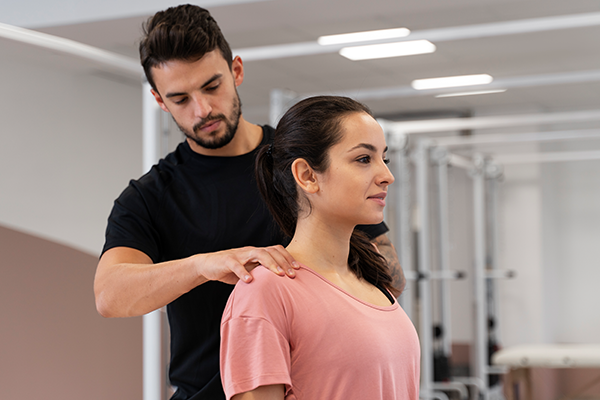
The Link Between Poor Balance and Unexpected Falls
The Link Between Poor Balance and Unexpected Falls
At Achilles Physio Clinic in Ballincollig, Cork, we understand the complexities of maintaining balance and how crucial it is to prevent unexpected falls. Poor balance is not just an inconvenience; it can significantly affect your quality of life and increase the risk of injuries. In this article, we explore the connection between poor balance and falls, outlining the contributing factors, medical implications, and ways to improve your stability.
What Causes Poor Balance?
Several factors can contribute to poor balance, including:
- Age: As people age, muscle strength, coordination, and proprioception often decline.
- Neurological Disorders: Conditions such as Parkinson's disease, Multiple Sclerosis, or stroke can severely impact balance.
- Vision Impairments: Vision problems can interfere with the brain's ability to interpret spatial orientation, making balance difficult.
- Foot Conditions: Conditions like plantar fasciitis, neuropathy, or heel spurs can affect how we walk and balance.
- Medications: Some medications can have side effects that impact balance. Always consult a healthcare professional regarding concerns about side effects.
How Can I Assess My Balance?
Assessing your balance is crucial in understanding its impact on your daily life. Some simple tests include:
- Single Leg Stand Test: Stand on one leg for 30 seconds; if you cannot maintain your balance, it may indicate a problem.
- Timed Up and Go Test: Time how long it takes to rise from a chair, walk three meters, turn around, and sit back down. Longer times suggest balance issues.
- Balance Stepping Test: Walk in a straight line, placing one foot directly in front of the other. Difficulty maintaining a straight path can indicate balance impairments.
How Can I Treat Poor Balance?
Addressing poor balance involves various strategies tailored to the underlying causes. Some effective treatments include:
- Physical Therapy: A qualified physiotherapist can develop an individualized exercise program focusing on strength, flexibility, and balance training.
- Balance Exercises: Exercises such as Tai Chi and yoga can improve coordination and stability.
- Proper Footwear: Wearing appropriate shoes that provide support and cushioning can significantly impact your balance.
- Assistive Devices: Depending on the severity of the balance issue, using canes, walkers, or orthotic devices may be recommended to enhance stability.
What Are the Risks of Poor Balance?
The consequences of poor balance can be far-reaching. Typically, individuals may experience:
- Increased Fall Risk: Falls are the leading cause of injury for older adults, leading to fractures, head injuries, and other serious health problems.
- Loss of Independence: Frequent falls can result in a fear of activity and, consequently, reduced mobility.
- Impact on Mental Health: The fear related to falling can lead to anxiety and depression, further exacerbating physical ailments.
Can Foot Health Affect My Balance?
Absolutely. Healthy feet are essential for maintaining balance. Conditions like:
- Plantar Fasciitis: Inflammation of the tissue on the bottom of the foot can lead to pain that affects walking stability.
- Peripheral Neuropathy: Nerve damage, often associated with diabetes, can cause numbness and weaken the foot’s ability to sense terrain.
- Flat Feet or High Arches: Abnormalities in foot structure can lead to postural issues and instability.
What Preventative Measures Can I Take?
Prevention is always better than cure. Here are some steps you can take to improve balance and prevent falls:
- Regular Check-ups: Regular visits to your healthcare provider can help detect and address balance issues early.
- Home Modifications: Ensure your home is safe by removing tripping hazards, using non-slip mats, and installing handrails in stairways.
- Stay Active: Engage in activities that improve strength and coordination. Simple daily activities can have profound benefits.
Call to Action
If you or a loved one are struggling with balance issues and related falls, Achilles Physio Clinic in Ballincollig, Cork is here to help. Our dedicated team of professionals is committed to providing personalized treatment plans tailored to your specific needs. Don’t wait until it’s too late; book an appointment today and take the first step towards improved balance and safety.
Frequently Asked Questions (FAQ)
1. How do I know if I have poor balance?
Common signs include frequent stumbling, difficulty walking straight, or needing to hold onto furniture for support.
2. Can physical therapy help improve my balance?
Yes, physical therapy focuses on exercises that enhance your strength, coordination, and balance, tailored to your specific needs.
3. What should I do if I experience a fall?
Stay calm, assess your body for injuries, and seek medical attention if needed. It’s essential to report falls to a healthcare provider.
4. Are there specific exercises to improve balance?
Yes, exercises like Tai Chi, yoga, and balance-specific workouts can significantly improve stability.
5. How can I make my home safer to prevent falls?
Remove tripping hazards, ensure proper lighting, and install grab bars or handrails to enhance safety in your home.
