Can Physiotherapy Help With Nerve Entrapments in Ballincollig?
Introduction
Experiencing nerve entrapments can be incredibly painful and disruptive to your daily life. At Achilles Physio Clinic in Ballincollig, Cork, we understand the importance of effective treatment to alleviate this discomfort. Nerve entrapments occur when nearby tissues compress or irritate a nerve, leading to symptoms such as pain, tingling, or numbness in the affected area. In this article, we will explore how physiotherapy can help manage and treat nerve entrapments, providing you with a better understanding of your condition and potential pathways to recovery.
What Causes Nerve Entrapments?
Nerve entrapments can arise from a number of different causes including:
- Repetitive Movements: Activities that require repetitive motions can lead to conditions such as carpal tunnel syndrome, a common type of nerve entrapment.
- Acute Injury: A sudden injury, such as a fracture or sprain, can result in swelling that puts pressure on surrounding nerves.
- Anatomical Variations: Abnormal anatomical structures or postures can predispose individuals to nerve entrapments.
- Health Conditions: Conditions such as diabetes can lead to nerve damage and an increased risk of entrapment.
Symptoms of Nerve Entrapments
Symptoms can vary based on the location and severity of the entrapment. Common signs include:
- Persistent pain or soreness in the affected area.
- Tingling or “pins and needles” sensation.
- Decreased strength or function of the area innervated by the affected nerve.
- Numbness that may radiate to other areas of the body.
How Can Physiotherapy Help with Nerve Entrapments?
Physiotherapy offers a multifaceted approach to managing nerve entrapments. Here’s how it can assist in your recovery:
1. Assessment and Diagnosis
At Achilles Physio Clinic, your physiotherapist conducts a thorough assessment to identify the specific type of nerve entrapment you're experiencing. This comprehensive understanding allows for a targeted treatment plan.
2. Manual Therapy
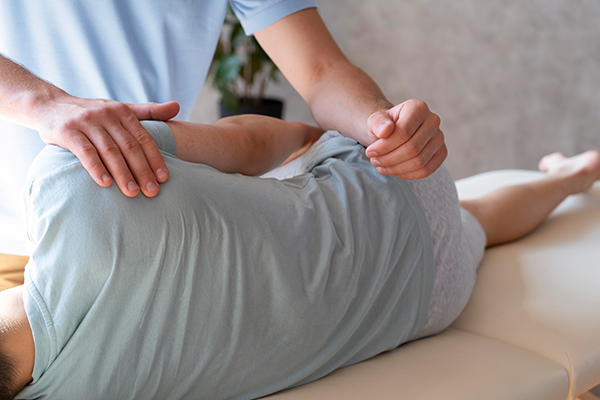
Manual therapy techniques, such as soft tissue mobilization, joint manipulation, and neural mobilization, can help alleviate symptoms by reducing tissue tension and pain. Techniques are tailored to the individual's needs to help release pressure on the affected nerve.
3. Exercise Therapy
Specific exercises to strengthen surrounding muscles and improve flexibility can help relieve pressure on the nerve. Rehabilitation may involve:
- Stretching exercises for tight muscles.
- Strengthening exercises to support the affected area.
- Neuromuscular re-education exercises to restore function.
4. Education and Self-Management
Part of physiotherapy includes educating patients on avoiding aggravating activities and implementing appropriate lifestyle modifications. This may involve ergonomic adjustments to daily tasks or sports activities to minimize strain on the affected area.
5. Pain Management Techniques
Your physiotherapist may employ modalities such as ultrasound therapy, electrical stimulation, or ice therapy to help manage pain and inflammation associated with nerve entrapments.
When Should You Seek Help?
If you are experiencing symptoms of nerve entrapment, it’s crucial not to ignore them. Early intervention can prevent further complications and lead to better outcomes. Schedule an appointment at Achilles Physio Clinic for a professional assessment and tailored treatment plan.
FAQs about Nerve Entrapments and Physiotherapy
1. What are the most common types of nerve entrapments?
The most common types include carpal tunnel syndrome, cubital tunnel syndrome, and tarsal tunnel syndrome affecting the foot.
2. How long does it take to recover from a nerve entrapment?
Recovery time varies depending on the severity of the entrapment and the individual’s response to treatment. Many patients see improvement within weeks of starting physiotherapy.
3. Are there any risks with physiotherapy for nerve entrapments?
Physiotherapy is generally safe. However, it’s important to work with a qualified physiotherapist who will tailor treatments based on your specific condition.
4. Can I do exercises for nerve entrapments at home?
Yes, many physiotherapy exercises can be safely performed at home. However, it’s best to consult with your physiotherapist for a tailored home exercise program.
5. Will I need surgery for my nerve entrapment?
Most patients respond well to physiotherapy, but in severe cases where conservative treatments fail, surgical intervention may be considered. Your physiotherapist will guide you on this if necessary.
Conclusion
Nerve entrapments can significantly impact your quality of life, but effective physiotherapy at Achilles Physio Clinic in Ballincollig, Cork can help alleviate symptoms and improve function. Don’t let discomfort keep you from enjoying your daily activities; reach out to us today to schedule a consultation and start your journey towards recovery. Book your appointment now!
