The Real Reason Your Knee Pain Flares Up After Exercise in Ballincollig
The Real Reason Your Knee Pain Flares Up After Exercise in Ballincollig
If you're experiencing knee pain after exercising in Ballincollig, you're not alone. Many individuals face this discomfort that can hinder their physical activities and overall quality of life. At Achilles Physio Clinic in Ballincollig, Cork, we understand how frustrating this can be, and we're here to help you uncover the real reasons behind your knee pain and offer effective solutions.
What Causes Knee Pain After Exercise?
Knee pain post-exercise can be attributed to several factors, including but not limited to:
- Overuse Injuries: Repetitive stress on the knee joint can lead to conditions such as patellar tendinitis, often called "jumper's knee."
- Improper Biomechanics: Poor alignment of the foot and leg can cause abnormal stress on the knee.
- Muscle Imbalances: Weakness in hip, thigh, or calf muscles may fail to adequately support the knee, leading to pain.
- Injuries to Ligaments or Cartilage: Conditions such as a meniscus tear or ligament sprain can result from high-impact activities.
- Previous Injuries: Old injuries can resurface, especially if not rehabilitated correctly.
Understanding the Knee Anatomy
The knee is a complex joint consisting of bones, cartilage, ligaments, and tendons. Key anatomical structures include:
- Femur: The thigh bone, which connects to the tibia and fibula.
- Tibia: The shin bone, which offers stability to the knee joint.
- Patella: Also known as the kneecap, it protects the knee joint.
- Menisci: C-shaped cartilage that cushions the knee and absorbs shock.
- Ligaments: Crucial for joint stability, including the ACL and PCL.
How Can I Treat My Knee Pain?
Effective treatment for knee pain often involves a multifaceted approach, tailored to your specific condition. Here are some recommended strategies:
1. Physical Therapy
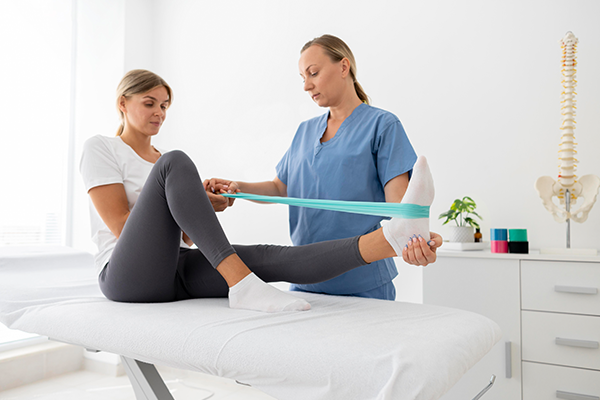
Consult a physiotherapist for a personalized rehabilitation program. At Achilles Physio Clinic, our professionals provide tailored exercises to strengthen the muscles supporting the knee, enhance flexibility, and improve overall biomechanics.
2. Rest and Recovery
Allow adequate time for recovery after exercise. Incorporate rest days into your routine, particularly if you've experienced knee pain. Ice therapy can also help reduce inflammation.
3. Proper Footwear
Wearing appropriate footwear is crucial for reducing stress on the knees. Shoes designed for your specific sport or activity can enhance support and alignment.
4. Evaluate Your Activity Level
Gradually increase the intensity and duration of your exercise. Overdoing activities too quickly can exacerbate knee problems. Listen to your body and adjust accordingly.
5. Strengthening and Stretching Exercises
Increase strength in the quadriceps, hamstrings, and calves, which support the knee joint. Flexibility exercises for the hip and ankle can also contribute to improved knee function.
When Should I See a Professional?
If your knee pain persists or worsens despite conservative treatment, it's important to seek professional advice. An assessment may reveal underlying issues such as cartilage degeneration or ligament injuries that require medical intervention.
FAQs About Knee Pain After Exercise
1. What are the most common causes of knee pain after exercise?
The most common causes include overuse injuries, muscle imbalances, improper biomechanics, and past injuries that haven't completely healed.
2. Can my footwear affect my knee pain?
Yes, improper footwear can lead to poor alignment and increased stress on the knee. It's important to choose shoes suitable for your specific activities.
3. Is knee pain normal after working out?
While some discomfort can be expected, persistent or severe knee pain is not normal and should be evaluated by a healthcare professional.
4. How can I prevent knee pain from flaring up again?
Incorporate a balanced fitness routine that includes strength training, flexibility work, and proper warm-up before exercise. Regular check-ins with a physiotherapist can also help.
5. What role does weight management play in knee pain?
Maintaining a healthy weight is essential, as excess body weight places additional strain on the knees, potentially worsening pain and injuries.
Conclusion
Understanding the reasons behind your knee pain after exercise is essential for effective treatment and prevention. At Achilles Physio Clinic in Ballincollig, Cork, our dedicated team is committed to helping you recover and maintain an active lifestyle. Don't let knee pain hold you back. Book an appointment today to consult with our experienced professionals and start your journey towards pain-free movement.
