Returning to Sport After a Sprain — Ballincollig Physios Explain
Understanding Sport Sprains
Sustaining a sprain can be a common injury for athletes and active individuals. At Achilles Physio Clinic in Ballincollig, Cork, our experienced physios emphasize that understanding the nature and management of sprains is essential for a safe return to sports. A sprain typically involves the overstretching or tearing of ligaments, the bands of fibrous tissue that connect bones at a joint.
What Causes a Sprain?
Sprains usually occur due to:
- Sudden Twists or Turns: Quick, unexpected movements can cause ligaments to stretch excessively.
- Impact During Sports: Contact with another player or falling can lead to a sprain.
- Inadequate Footwear: Wearing shoes that do not provide proper support can increase the risk of ankle sprains.
What Are the Symptoms of a Sprain?
Common symptoms associated with sprains include:
- Pain around the affected joint
- Swelling and bruising
- Limited range of motion
- Tenderness when applying pressure
How Can I Treat a Sprain?
Effective management of a sprain is crucial for returning to sports safely. The recommended approach often follows the R.I.C.E. method:
- Rest: Avoid putting weight on the injured area to facilitate healing.
- Ice: Apply ice packs for 15-20 minutes every few hours to reduce swelling.
- Compression: Use an elastic bandage to minimize swelling.
- Elevation: Keep the injured area elevated above heart level when possible.
For moderate to severe sprains, consulting a physiotherapist at Achilles Physio Clinic can lead to a tailored rehabilitation program. Treatment may include:
- Specific exercises to restore strength and flexibility
- Manual therapy techniques to enhance movement
- Modalities such as ultrasound or electrical stimulation to alleviate pain
How Do I Know When It’s Safe to Return to Sport?
Resuming sports after a sprain should be a gradual process, guided by the following criteria:
- Pain-Free Movement: You should have no pain or discomfort during daily activities.
- Full Range of Motion: Your joint should be able to move through its complete range without restriction.
- Strength Restoration: Achieve near-normal strength in the affected area compared to the uninjured side.
- Balanced Proprioception: You should be able to perform balance exercises without difficulty.
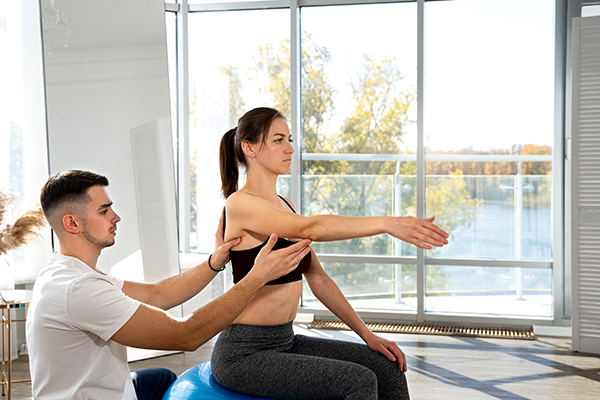
Your physiotherapist will help assess these factors and determine when it is safe for you to return to your sport, whether it’s football, basketball, or another activity that puts strain on your feet, ankles, and joints.
Preventing Future Sprains
To reduce the risk of spraining your ankles in the future, consider the following preventive measures:
- Strength Training: Strengthening the muscles around your ankle can provide better support.
- Flexibility Exercises: Incorporating stretching routines can help maintain joint and muscle flexibility.
- Footwear: Invest in high-quality athletic shoes designed for your sport to enhance support and stability.
When to Seek Professional Help
If you experience severe pain, inability to bear weight, or symptoms that do not improve within a few days of home care, it is essential to seek medical assistance from a podiatrist or physiotherapist. Early intervention can prevent further complications and aid in optimal recovery.
Frequently Asked Questions (FAQ)
1. How long does it take to recover from a sprain?
Recovery time varies depending on the severity of the sprain. Mild sprains may heal within a week, while more severe injuries may take several weeks to months.
2. Can I use heat on a sprain?
Heat should generally be avoided immediately after an injury to prevent increased swelling. After a few days, heat can be used to aid in relaxing tight muscles.
3. Should I wrap a sprain?
Wrapping a sprain with a compression bandage can reduce swelling and provide support. However, ensure it is not too tight to avoid hindering blood flow.
4. Are sprains more common in certain sports?
Yes, sports that involve jumping, running, or sudden direction changes, such as basketball, soccer, and rugby, are more likely to result in sprains.
5. What other conditions might mimic sprain symptoms?
Other injuries, such as fractures or tendonitis, may present similar symptoms. A thorough examination by a healthcare professional is necessary for accurate diagnosis.
Conclusion
Returning to sports after a sprain requires careful consideration, understanding, and often professional guidance. At Achilles Physio Clinic in Ballincollig, Cork, our dedicated team is here to support your recovery journey and ensure you can safely return to the activities you love. If you’ve recently experienced a sprain or are seeking preventive advice, don’t hesitate to book an appointment with our expert physiotherapists today.
