Tendon Pain That Won’t Settle? Here’s What’s Missing
Tendon Pain That Won’t Settle? Here’s What’s Missing
If you’re experiencing persistent tendon pain that just won’t go away, you’re not alone. Many patients visit the Achilles Physio Clinic in Ballincollig, Cork, seeking relief from conditions like Achilles tendinopathy, plantar fasciitis, and other tendon-related issues. Understanding the underlying causes and appropriate treatments for tendon pain is crucial for effective management and recovery.
What Causes Tendon Pain?
Tendons are strong, fibrous connective tissues that attach muscles to bones. They can become inflamed or damaged due to various factors, including:
- Overuse: Repetitive strain from sports or physical activities can lead to microtrauma in the tendon.
- Age: Tendons naturally lose elasticity and strength as we age, making them more susceptible to injury.
- Biomechanical Issues: Poor foot alignment or improper footwear can place undue stress on tendons.
- Medical Conditions: Conditions such as diabetes and rheumatoid arthritis can contribute to tendon problems.
How Can I Identify Tendon Pain?
Tendon pain often presents in specific ways that can help differentiate it from other types of pain. Typical symptoms include:
- Pain and Stiffness: This may occur around a joint or a specific area of the tendon.
- Swelling: Inflammation often leads to noticeable swelling around the affected tendon.
- Crepitus: A grating sound or sensation when moving the joint.
- Reduced Range of Motion: Difficulty in moving the affected area fully due to pain.
How Can I Treat Tendon Pain Effectively?
Tendon pain requires a multi-faceted treatment approach, which may include:
1. Rest and Activity Modification
Reducing or altering the activities that exacerbate your pain is essential to allow the tendon to heal.
2. Physical Therapy
At the Achilles Physio Clinic, our team creates a tailored rehabilitation program that incorporates:
- Strengthening Exercises: To build supporting muscle strength.
- Stretching: To improve flexibility around the ankle or foot.
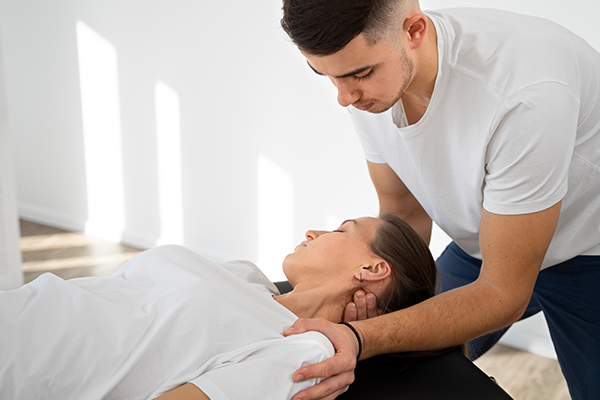
- Manual Therapy: Techniques to alleviate pain and improve range of motion.
3. Pain Management Techniques
Over-the-counter medications like NSAIDs (non-steroidal anti-inflammatory drugs) can help manage pain and reduce inflammation. However, these should be used as part of a broader treatment plan.
4. Orthotics
Custom orthotics can help address biomechanical issues, providing support and relieving strain on the affected tendons.
5. Advanced Treatments
In some cases, advanced treatments such as shockwave therapy or platelet-rich plasma (PRP) injections may be recommended to enhance healing.
When Should I Seek Professional Help?
If your tendon pain persists for more than a few weeks despite self-care measures, it is essential to consult a healthcare professional. At the Achilles Physio Clinic in Ballincollig, we conduct a thorough assessment to identify the root cause of your pain and discuss the best options for treatment.
What Are the Common Types of Tendon Injuries?
- Achilles Tendinopathy: Pain and stiffness in the Achilles tendon, often affecting athletes.
- Plantar Fasciitis: Inflammation of the plantar fascia, leading to heel pain.
- Patellar Tendinitis: Also known as "jumper's knee", it affects the patellar tendon in the knee.
- Tennis Elbow: Despite its name, it is a condition affecting the elbow tendons, common among repetitive motion injuries.
Frequently Asked Questions (FAQ)
1. How long does tendon pain usually last?
The duration of tendon pain can vary widely. With appropriate treatment, many patients notice improvements within a few weeks, but complete healing may take several months, especially in chronic cases.
2. Can I continue exercising with tendon pain?
It depends on the severity of the pain. Light activity may be beneficial, but high-impact or repetitive movements should generally be avoided until the pain resolves.
3. Are there any risk factors for developing tendon injuries?
Yes, risk factors include age, obesity, a sedentary lifestyle, improper footwear, and previous tendon injuries.
4. What role does nutrition play in tendon health?
A balanced diet rich in nutrients, particularly vitamin C, omega-3 fatty acids, and protein, supports tendon health and healing.
5. How can I prevent tendon injuries?
Preventive measures include proper warm-ups, strength training, wearing appropriate footwear, and gradually increasing activity levels as tolerated.
Conclusion
Your tendon pain doesn’t have to hold you back. At the Achilles Physio Clinic in Ballincollig, Cork, we are dedicated to helping you find relief and regain your mobility through comprehensive treatment plans tailored to your needs. If you’re struggling with tendon pain that won’t settle, don’t wait any longer to seek help. Schedule your appointment today and take the first step towards recovery.
