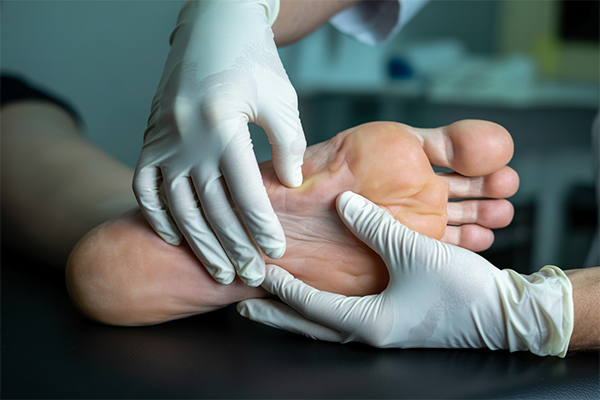
Why Your Recovery After Surgery Feels Slower Than Expected in Ballincollig
Understanding Post-Surgery Recovery in Ballincollig
Recovering from surgery is rarely a straightforward journey, particularly for patients at Achilles Physio Clinic in Ballincollig, Cork. Many individuals find that their recovery takes longer than they anticipated. Understanding the factors that influence your healing process is crucial for setting realistic expectations and for ensuring a smoother recovery.
What Causes Slow Recovery After Surgery?
Various factors can contribute to an unexpectedly slow recovery post-surgery. Here are some key considerations:
- Type of Surgery: The complexity and nature of the surgical procedure can significantly impact healing time. For instance, reconstructive foot surgeries, like bunionectomies or tendon repairs, may require more time compared to minimally invasive procedures.
- Aging: Older adults may experience slower healing due to decreased cell regeneration and other age-related factors.
- Pre-existing Health Conditions: Conditions such as diabetes, cardiovascular diseases, and obesity can hinder recovery by affecting blood circulation and overall health.
- Post-operative Care: Following your surgeon's aftercare instructions is essential. Skipping physical therapy sessions, not managing pain adequately, or failing to keep the surgical site clean can lead to complications and delayed recovery.
- Emotional Well-being: Psychological factors, such as stress and anxiety, can negatively impact your body's healing processes. Mental fortitude is just as important as physical care during recovery.
How Can I Optimize My Recovery After Surgery?
To enhance your recovery process, consider these evidence-based strategies:
- Physical Therapy: Engage in a tailored physical therapy program. At Achilles Physio Clinic, our therapists can design a program specifically addressing your mobility and strengthening needs without compromising your surgical site.
- Nutrition: A balanced diet rich in proteins, vitamins, and minerals is crucial for tissue repair. Foods high in Vitamin C, Vitamin A, and zinc can promote faster healing.
- Hydration: Proper hydration supports blood circulation and nutrient delivery throughout your body, essential for effective recovery.
- Follow-Up Appointments: Regular follow-ups with your surgeon and physiotherapist are vital to monitor your progress, manage complications, and adjust your rehabilitation plan as needed.
- Pain Management: Control postoperative pain with medications prescribed by your healthcare provider. Adequate pain management can enhance participation in physical therapy and other rehabilitation activities.
What Should I Expect During My Recovery?
Understanding the phases of recovery can provide clarity during your healing process:
- Initial Phase (Days 1-5): This phase focuses on rest and pain management. Expect swelling and discomfort as your body begins to heal.
- Rehabilitation Phase (Days 5-14): Gentle exercises might be introduced, depending on your specific procedure. Short walks and mobility work are often encouraged.
- Progressive Recovery (Weeks 2-6): Expect to gradually resume normal activities, including light daily tasks. Monitor your pain levels and make adjustments as needed.
- Full Recovery (1-3 months): While some patients may feel significantly improved in this time, full recovery can take several months, especially after extensive surgeries.
When Should I Be Concerned About My Recovery?
While some variability in recovery time is normal, be vigilant for signs that could indicate complications:
- Increased swelling or redness around the surgical site
- Persistent or worsening pain that does not improve with medication
- Signs of infection, such as fever or unusual drainage
- Difficulty moving your foot or following your prescribed exercise regimen
If you notice any of these symptoms, contact Achilles Physio Clinic immediately for further assessment and support.
FAQ
1. How long should I expect my recovery to take?
The recovery duration varies by individual and depends on factors such as surgery type, age, and overall health, typically taking anywhere from a few weeks to several months.
2. What types of therapies can help me recover faster?
Physical and occupational therapies are highly effective. Techniques may include strengthening exercises, manual therapy, and education on proper movement patterns.
3. Are there specific diets to follow post-surgery?
Yes, a diet rich in proteins (such as fish, eggs, and legumes), fruits, vegetables, and whole grains is ideal. Hydration is equally important.
4. Can I return to sports or physical activities soon after surgery?
It’s essential to follow your surgeon's advice regarding return-to-sport timelines. Generally, you may need to wait several weeks to months before resuming strenuous activities.
5. What should I do if my recovery is slower than anticipated?
If your recovery seems slower than expected, consult your healthcare provider to evaluate your progress and adjust your recovery plan accordingly.
Conclusion
Understanding why recovery after surgery at Achilles Physio Clinic in Ballincollig, Cork, may take longer than expected can help set realistic expectations and guide you through the healing process. By following your aftercare plan and maintaining open communication with healthcare professionals, you can optimize your recovery and improve your overall outcome.
Don’t hesitate to reach out for personalized advice on your recovery journey. Schedule your appointment today at Achilles Physio Clinic.
