
Tips & Advice From Achilles Physiotherapy
How to Build Long-Term Physical Resilience
Introduction
At Achilles Physio Clinic located in Ballincollig, Cork, we understand that building long-term physical resilience is essential for maintaining optimal health and well-being. Whether you are an athlete looking to enhance your performance or simply seeking to improve your overall physical condition, developing resilience can significantly reduce the risk of injuries, improve recovery times, and enhance your daily functioning. In this article, we will explore practical ways to build resilience, focusing on the anatomy of your feet and the various conditions that can affect mobility.
What Causes Physical Resilience to Decrease?
Physical resilience may diminish due to various factors, including:
- Injury: Chronic foot conditions like plantar fasciitis, Achilles tendinopathy, or bunions can limit physical activity.
- Ageing: Natural ageing causes a decrease in bone density, muscle strength, and joint flexibility.
- Poor Nutrition: Insufficient nutrients can lead to decreased muscle strength and endurance.
- Lack of Exercise: Sedentary lifestyles fail to promote muscle adaptation and resilience against physical stress.
How Can I Improve My Physical Resilience?
Improving physical resilience requires a multifaceted approach. Here are some effective strategies:
1. Engage in Regular Exercise
Including a mix of strength training, aerobic exercise, and flexibility routines can significantly enhance your resilience. Resistance training helps build muscle strength, while cardiovascular exercises improve endurance. Consider incorporating:
- Walking or Jogging: Beneficial for overall lower limb strength and cardiovascular health.
- Resistance Training: Focus on lower body exercises like squats and lunges to strengthen your legs and feet.
- Stretching and Mobility Work: To maintain joint mobility and muscle flexibility, which is crucial for preventing injuries.
2. Maintain a Balanced Diet
A well-balanced diet rich in vitamins and minerals is vital for enhancing resilience. Key nutrients include:
- Calcium and Vitamin D: Essential for bone health, found in dairy products, leafy greens, and fortified foods.
- Protein: Important for muscle repair and growth, sources include lean meats, legumes, and nuts.
- Omega-3 Fatty Acids: Help reduce inflammation, found in fatty fish and flaxseeds.
3. Prioritise Recovery
Incorporating rest days and focused recovery strategies is essential for resilience. Some effective methods include:
- Active Recovery: Light activities like walking or yoga can stimulate blood flow and help recover.
- Sleep: Aim for 7-9 hours of quality sleep each night to support muscle repair.
- Hydration: Staying well-hydrated improves physical performance and recovery.
4. Seek Professional Guidance
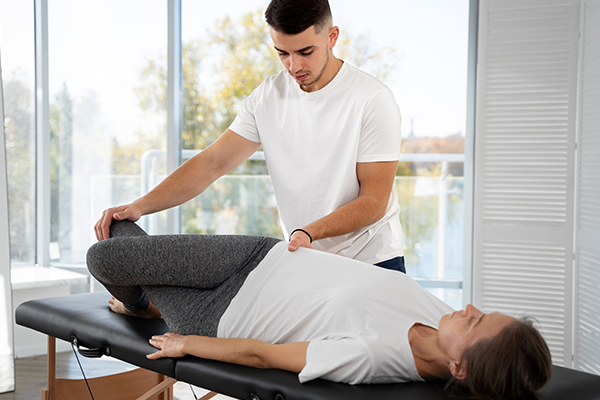
Consulting with healthcare professionals, such as physiotherapists at Achilles Physio Clinic, can tailor a resilience-building plan specific to your needs and conditions. We provide assessments of your foot mechanics and function, allowing us to develop bespoke treatment strategies for conditions like:
- Plantar Fasciitis
- Achilles Tendinopathy
- Bunions
How Can Foot Health Impact Physical Resilience?
Foot health is integral to overall body resilience. Problems like flat feet or high arches can lead to misalignments, causing further issues in the ankles, knees, and hips. Appropriate footwear, regular foot exercises, and seeking treatment for foot conditions are vital for maintaining mobility and preventing injuries.
Conclusion
Building long-term physical resilience is crucial for achieving optimal health and enhancing your daily quality of life. By incorporating regular exercise, balanced nutrition, recovery strategies, and professional guidance from experts at Achilles Physio Clinic in Ballincollig, Cork, you can effectively support your body’s resilience. Have questions, or ready to take the next step toward a healthier you? Book your appointment today!
FAQ
1. What are common foot conditions that affect resilience?
Common conditions include plantar fasciitis, bunions, and Achilles tendinopathy, which can all limit mobility.
2. How often should I exercise for optimal resilience?
Aim for at least 150 minutes of moderate aerobic activity per week, combined with two or more days of strength training.
3. Can nutrition directly impact my recovery?
Yes, a balanced diet provides the necessary nutrients to support muscle repair, reducing recovery time and improving resilience.
4. How do I know if I need professional help?
If you experience persistent pain or discomfort during physical activity, it is advisable to seek professional guidance.
5. What role does hydration play in physical resilience?
Proper hydration is essential for optimal performance and recovery, as it helps nutrient transport and regulates body temperature.

Ask Achilles Physiotherapy And Their Team
Fill in the form to request a call from our team. One of our team members will call you for FREE and answer any questions or concerns you may have about your condition
Where To Find Achilles Physiotherapy
If you have any questions before scheduling an appointment or for general inquiries, please use the contact us button below. Our team will promptly reach out to assist you.
Opening Hours
Monday: 8am - 6pm
Tuesday: 8am - 6pm
Wednesday: 8am - 6pm
Thursday: 8am - 6pm
Friday: 8am - 5pm