![Non US - Physio [SNAPSHOT]](https://images.leadconnectorhq.com/image/f_webp/q_80/r_1200/u_https://assets.cdn.filesafe.space/pF1R6FgyK9VhpIRO8BU6/media/6814b4740013191e650088ec.png )
Tips & Advice From Achilles Physiotherapy
The Importance of Controlled Movement in Rehab
The Importance of Controlled Movement in Rehab
At Achilles Physio Clinic in Ballincollig, Cork, we understand that rehabilitation from foot and ankle injuries requires more than just rest; it demands a systematic approach to movement. Controlled movement plays a vital role in the rehabilitation process, fostering healing while enhancing strength and stability. This blog post explores the significance of controlled movement in rehab, providing you with insights to improve your recovery journey.
What is Controlled Movement?
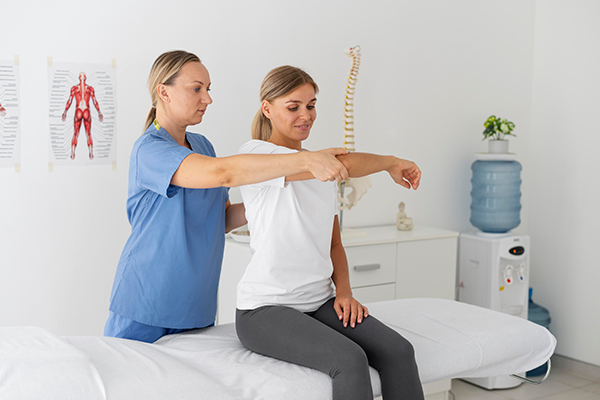
Controlled movement refers to purposeful and intentional exercise or activity that is guided and monitored. In rehabilitation, this principle ensures that patients engage in movements that not only promote healing but also prevent further injury. By focusing on the correct alignment, range of motion, and strength, patients can safely progress through their rehabilitation.
Why is Controlled Movement Important?
- Promotes Healing: Controlled movement encourages blood flow to the injured area, facilitating faster healing.
- Strengthens Muscles: Targeted exercises can strengthen the muscles around the affected joint, providing better support.
- Restores Range of Motion: Gradual movement helps to restore flexibility and prevent stiffness.
- Enhances Stability: By improving proprioception—the body’s sense of position—controlled movement can enhance balance and coordination.
- Prevents Further Injury: Ensuring that movements are done correctly reduces the risk of exacerbating an existing injury or developing new ones.
What Conditions Can Benefit from Controlled Movement?
Controlled movement is integral for various foot and ankle conditions, including:
- Plantar Fasciitis: A common cause of heel pain, where controlled stretching and strengthening can alleviate symptoms.
- Achilles Tendinopathy: Targeted rehabilitation exercises help recover the tendon’s strength and flexibility.
- Sprained Ankles: Controlled movement aids in restoring movement and stability after an injury.
- Post-Surgical Rehabilitation: After procedures like bunion surgery, controlled exercises are crucial for recovery.
- Diabetic Foot Ulcers: Gentle movement can aid circulation and promote healing in diabetic foot complications.
How is Controlled Movement Implemented in Rehab?
Implementing controlled movement in rehabilitation typically involves several phases:
1. Initial Assessment
Your journey begins with a thorough assessment by a qualified podiatrist. This step identifies the specific condition, severity of the injury, and overall health status.
2. Customized Treatment Plan
Based on the assessment, a personalized treatment plan is developed. This includes specific exercises tailored to address your unique needs and goals.
3. Progression of Exercises
Rehabilitation exercises are introduced gradually. Initially, low-impact movements like ankle circles or toe taps are suggested, progressing to more comprehensive exercises as healing occurs.
4. Monitoring and Adjustments
Regular check-ups ensure proper execution of movements, allowing adjustments to the plan as needed. This monitoring keeps patients engaged and motivated throughout their recovery.
5. Education on Self-Management
Patients are taught about proper biomechanics and injury prevention techniques to incorporate into their daily activities, ensuring that controlled movement continues beyond the clinic.
How Can I Treat My Foot Condition with Controlled Movement?
To effectively treat your foot condition using controlled movement, it’s essential to:
- Consult a professional, like a podiatrist at Achilles Physio Clinic, for an individualized assessment.
- Adhere to the prescribed rehabilitation exercises strictly, focusing on form and control.
- Stay aware of your body’s signals. Pain beyond normal discomfort should be reported immediately.
- Incorporate balance and proprioceptive exercises to build strength and prevent future injuries.
Frequently Asked Questions (FAQ)
1. How long does a rehabilitation program last?
The duration of a rehabilitation program varies based on the individual’s condition, but it typically lasts from a few weeks to several months.
2. What can I do to improve recovery at home?
Incorporate gentle stretching, icing the affected area, and follow your prescribed exercises to enhance recovery.
3. Is pain normal during rehabilitation?
Some discomfort is normal, but sharp or intense pain should be addressed with your healthcare provider.
4. Can I return to sports during rehabilitation?
Returning to sports should only occur once your podiatrist confirms you have regained sufficient strength and stability.
5. How can I prevent future injuries?
Maintain a consistent exercise regimen, focus on proper footwear, and pay attention to body mechanics during physical activities.
Conclusion
At Achilles Physio Clinic in Ballincollig, Cork, we prioritize your foot health and aim to guide you through the rehabilitation process with effective techniques such as controlled movement. Understanding its importance can significantly enhance your recovery and help prevent future injuries. If you’re dealing with a foot condition or seeking to optimize your recovery, consider booking an appointment with us today.

Ask Achilles Physiotherapy And Their Team
Fill in the form to request a call from our team. One of our team members will call you for FREE and answer any questions or concerns you may have about your condition
Where To Find Achilles Physiotherapy
If you have any questions before scheduling an appointment or for general inquiries, please use the contact us button below. Our team will promptly reach out to assist you.
Opening Hours
Monday: 8am - 6pm
Tuesday: 8am - 6pm
Wednesday: 8am - 6pm
Thursday: 8am - 6pm
Friday: 8am - 5pm