Tips & Advice From Achilles Physiotherapy
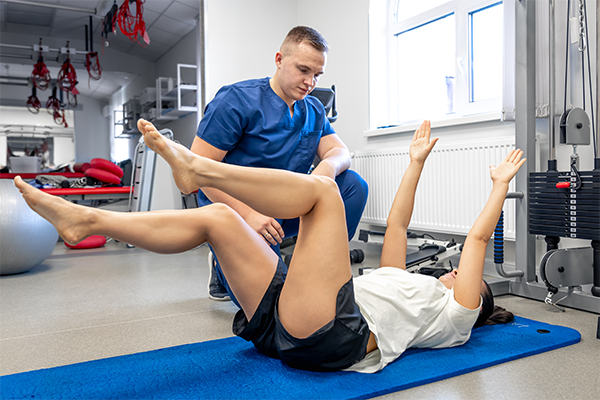
The Hidden Causes of Recurrent Calf Strains in Ballincollig
The Hidden Causes of Recurrent Calf Strains in Ballincollig
If you're experiencing recurrent calf strains, you’re not alone. Many residents of Ballincollig face this frustrating issue, impacting their daily activities and athletic performance. At Achilles Physio Clinic, we understand how these injuries can deter you from enjoying an active lifestyle. This article explores the hidden causes of recurrent calf strains, aiming to provide you with a deeper understanding and actionable solutions.
What Causes Recurrent Calf Strains?
A calf strain occurs when the muscles at the back of the lower leg are overstretched or torn. Here are some lesser-known factors that can contribute to recurrent calf strains:
- Muscle Imbalances: Weakness in the muscles surrounding the calf, particularly the quadriceps and hamstrings, can lead to increased strain during activities.
- Poor Foot Mechanics: Conditions such as flat feet (pes planus) or high arches (pes cavus) can alter your walking and running patterns, putting undue stress on the calf muscles.
- Inadequate Warm-up: Failing to properly warm up can increase the risk of injury. Dynamic stretching can prepare the muscles for activity.
- Overtraining: Gradually increasing your training intensity without adequate recovery can fatigue the calf muscles, making them more susceptible to injuries.
- Improper Footwear: Wearing shoes that do not provide adequate support or cushioning can exacerbate calf muscle strain.
How Can I Recognize a Calf Strain?
Recognizing a calf strain is crucial for timely treatment. Common symptoms include:
- Sudden pain in the back of the lower leg, typically during physical activity.
- Swelling and tenderness in the calf area.
- Difficulty walking or bearing weight on the affected leg.
- A feeling of tightness or weakness in the muscle.
How is a Calf Strain Diagnosed?
A thorough evaluation by a healthcare professional is essential in diagnosing a calf strain. At Achilles Physio Clinic in Ballincollig, Cork, our approach includes:
- Physical Examination: Assessing the range of motion, strength, and tenderness in the calf muscles.
- Medical History: Discussing your activity level, training volume, and previous injuries.
- Imaging Tests: In more severe cases, ultrasound or MRI may be required to assess muscle tears.
What Are the Treatment Options for Calf Strains?
Effective treatment is vital for recovery and prevention of future injuries:
- Rest and Ice: Resting the muscle and applying ice can reduce swelling and pain. Detailed recovery protocols should be followed.
- Physical Therapy: A targeted rehabilitation program focusing on strengthening the calf muscles, addressing imbalances, and improving flexibility.
- Gradual Return to Activity: Slowly reintroducing activities allows your muscles to adapt without the risk of re-injury.
- Footwear Assessment: Evaluating your footwear can help identify support needs tailored to your foot mechanics.
- Orthotics: Custom orthotic inserts may provide the necessary support for your arches and can help correct biomechanical issues leading to calf strain.
Can I Prevent Calf Strains?
Yes, prevention is possible! Here are some practical tips:
- Warm-Up Properly: Always include dynamic stretching and light aerobic activities before exercising.
- Strength Training: Incorporate strength and flexibility exercises targeting the calf muscles and lower extremities.
- Cross-Training: Engaging in different types of physical activities can prevent overuse of specific muscle groups.
- Listen to Your Body: Pay attention to signs of fatigue or discomfort and avoid pushing through pain.
- Consult a Podiatrist: Regular check-ups with a specialist can help identify and address any underlying issues before they result in injury.
Frequently Asked Questions (FAQ)
1. What should I do immediately after a calf strain?
Implement the RICE method: Rest, Ice, Compression, and Elevation. This helps minimize swelling and pain.
2. When should I seek medical attention for a calf strain?
If you experience severe pain, swelling, or inability to walk, it's essential to consult a healthcare professional.
3. How long does it take to recover from a calf strain?
Recovery time varies depending on the severity of the strain, ranging from a few days to several weeks.
4. Are calf strains common in athletes?
Yes, athletes, especially runners, are particularly susceptible to calf strains due to the repetitive nature of their sport.
5. How can I strengthen my calf muscles?
Exercises such as calf raises, toe taps, and resistance band workouts are effective for building strength.
Conclusion
Recurrent calf strains can be debilitating, but understanding their hidden causes and pursuing relevant treatment is the first step toward recovery. At Achilles Physio Clinic in Ballincollig, Cork, we are dedicated to providing you with personalized care to help you regain your strength and mobility. If you're struggling with calf strains, book an appointment today and take the first step toward recovery!

Achilles Physiotherapy
Achilles Physiotherapy Clinic in Ballincollig helps you move better, recover faster, and live pain-free with expert care tailored to your body and lifestyle.
Ask Achilles Physiotherapy And Their Team
Fill in the form to request a call from our team. One of our team members will call you for FREE and answer any questions or concerns you may have about your condition
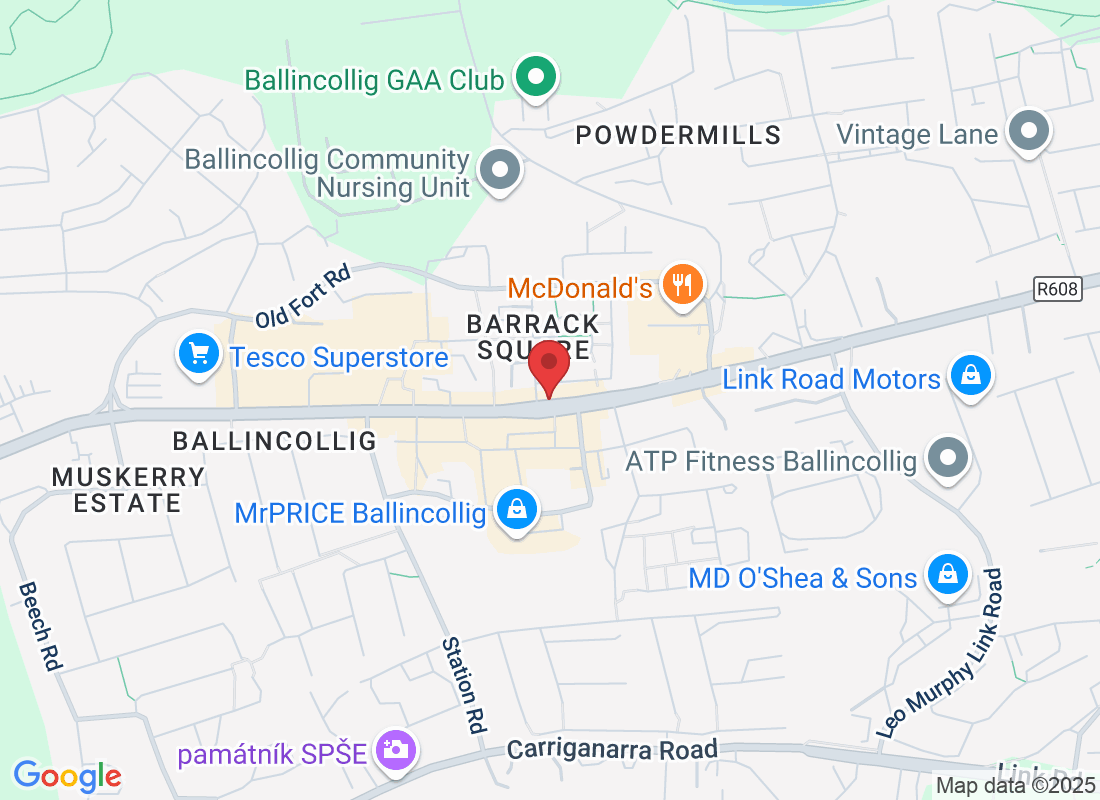
Where To Find Achilles Physiotherapy

If you have any questions before scheduling an appointment or for general inquiries, please use the contact us button below. Our team will promptly reach out to assist you.
Opening Hours
Monday: 8am - 6pm
Tuesday: 8am - 6pm
Wednesday: 8am - 6pm
Thursday: 8am - 6pm
Friday: 8am - 5pm
Opening Hours
Monday: 8am - 6pm
Tuesday: 8am - 6pm
Wednesday: 8am - 6pm
Thursday: 8am - 6pm
Friday: 8am - 5pm