![Non US - Physio [SNAPSHOT]](https://images.leadconnectorhq.com/image/f_webp/q_80/r_1200/u_https://assets.cdn.filesafe.space/pF1R6FgyK9VhpIRO8BU6/media/6814b4740013191e650088ec.png )
Tips & Advice From Achilles Physiotherapy
The Truth About Joint Clicking (And When to Worry) in Ballincollig
Understanding Joint Clicking in the Foot
If you've ever experienced a clicking sound in your joints, you may be wondering what it means. At Achilles Physio Clinic in Ballincollig, Cork, we often encounter patients who describe joint clicking, particularly in the foot and ankle. This article aims to clarify the potential causes of joint clicking and when it's necessary to seek professional advice.
What Causes Joint Clicking?
Joint clicking can occur in various parts of the body, including the foot. Here are some common causes:
- Gas Bubbles: The most benign cause of joint clicking is the formation and collapse of gas bubbles within the synovial fluid, known as cavitation.
- Ligament and Tendon Movement: Sometimes, ligaments or tendons may snap over a bony prominence during movement, resulting in a clicking sound.
- Arthritis: Conditions like osteoarthritis can lead to changes in the joint that cause clicking sounds, often accompanied by pain and stiffness.
- Joint Injuries: Past injuries, such as strains or sprains, may lead to changes in how joints function, resulting in audible clicking.
- Foot Deformities: Structural issues, such as bunions or flat feet, can lead to abnormal joint movements and clicking sounds.
Is Joint Clicking Normal?
For many individuals, occasional joint clicking is completely normal and harmless, especially if it occurs without pain or swelling. However, it's essential to be aware of accompanying symptoms that may indicate an underlying issue.
When Should You Worry About Joint Clicking?
It's crucial to monitor joint clicking for any additional symptoms that may signal a need for medical evaluation. Here are some warning signs:
- Pain: If you experience pain during or after clicking, it could signify a more serious issue.
- Swelling: Any swelling around the joint may indicate inflammation or injury.
- Restricted Movement: Difficulty in moving the joint freely may be a sign of damage or degeneration.
- Continued Symptoms: If clicking persists or worsens over time, seeking professional advice is advisable.
How Can I Treat Joint Clicking?
Treatment for joint clicking will depend on the underlying cause. Here are some common treatment options:
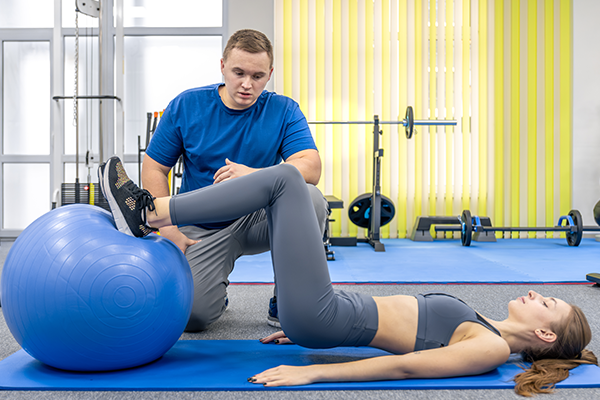
- Physical Therapy: A physiotherapist can design a targeted exercise regimen to strengthen the muscles around the joint and improve mobility.
- Orthotic Devices: Custom foot orthotics can help correct structural problems and improve joint alignment.
- Medication: Non-steroidal anti-inflammatory drugs (NSAIDs) may help reduce pain and inflammation.
- Surgical Options: In chronic cases with significant joint damage, surgical intervention may be necessary to correct the issue.
Preventing Joint Clicking
While not all joint clicking can be prevented, several strategies can help maintain joint health and reduce the likelihood of developing issues:
- Regular Exercise: Engaging in low-impact exercise improves joint function and flexibility.
- Footwear Choices: Wearing supportive shoes can provide the structure necessary for good joint health.
- Weight Management: Maintaining a healthy weight reduces stress on weight-bearing joints.
- Balanced Diet: A diet rich in omega-3 fatty acids and anti-inflammatory foods can support joint health.
Frequently Asked Questions
1. Is joint clicking harmful?
Occasional joint clicking is typically harmless if it’s not associated with pain or swelling. However, if you notice discomfort, it’s best to consult a healthcare professional.
2. Can I self-diagnose the cause of my clicking joint?
Self-diagnosis can be misleading. It’s important to seek a professional evaluation for an accurate diagnosis and appropriate treatment plan.
3. What steps can I take for immediate relief?
Resting the affected joint, applying ice, and taking over-the-counter anti-inflammatory medication may provide temporary relief. Consult a healthcare provider for ongoing issues.
4. How do I know if I need to see a podiatrist?
If you experience persistent clicking accompanied by pain, swelling, or limited mobility, it’s advisable to seek help from a podiatrist at Achilles Physio Clinic.
5. What treatments are available at Achilles Physio Clinic?
At Achilles Physio Clinic, we offer a range of treatments, including physical therapy, orthotics, and educational resources to help manage and prevent joint issues.
Conclusion
Understanding the causes of joint clicking and recognizing when it’s a cause for concern can significantly impact your joint health. If you’re in Ballincollig, Cork, and are experiencing persistent joint clicking or related discomfort, don’t hesitate to reach out to Achilles Physio Clinic. Our team is here to provide expert advice and personalized treatment options.

Ask Achilles Physiotherapy And Their Team
Fill in the form to request a call from our team. One of our team members will call you for FREE and answer any questions or concerns you may have about your condition
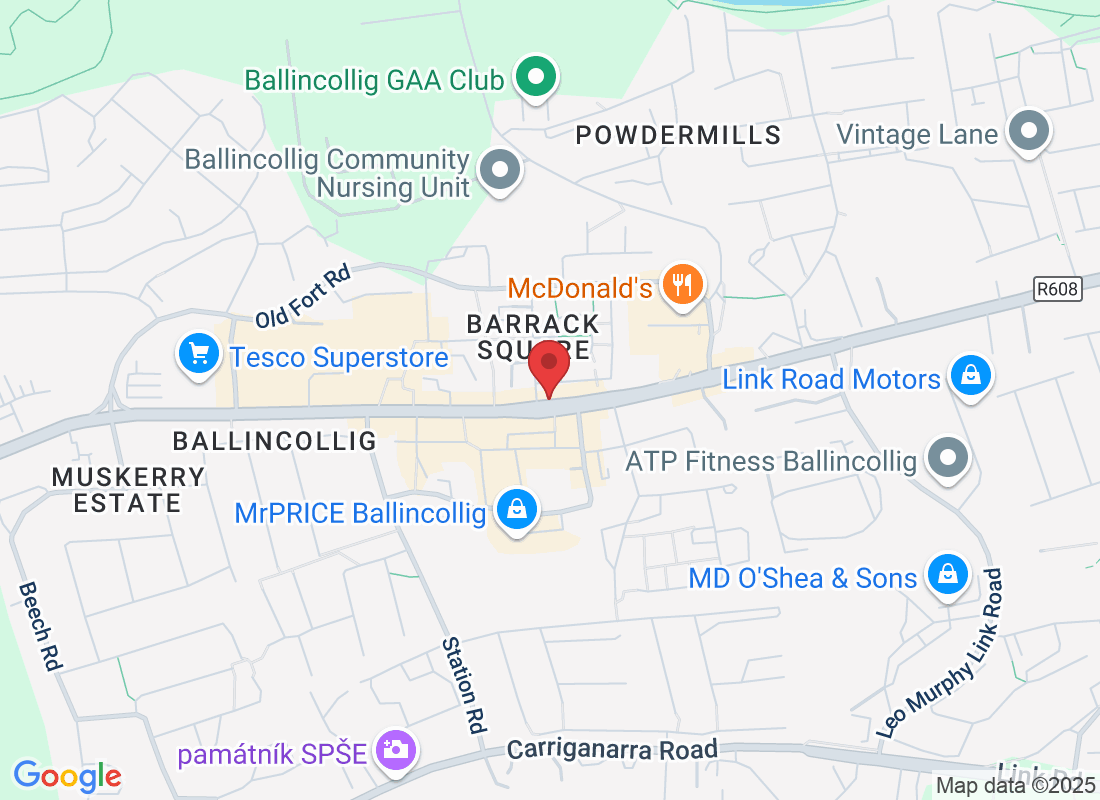
Where To Find Achilles Physiotherapy
If you have any questions before scheduling an appointment or for general inquiries, please use the contact us button below. Our team will promptly reach out to assist you.
Opening Hours
Monday: 8am - 6pm
Tuesday: 8am - 6pm
Wednesday: 8am - 6pm
Thursday: 8am - 6pm
Friday: 8am - 5pm