Tips & Advice From Achilles Physiotherapy
Ballincollig Clinic’s Guide to Active Recovery Days
Understanding Active Recovery Days
At Achilles Physio Clinic in Ballincollig, Cork, we recognize the importance of incorporating active recovery days into your fitness routine. Active recovery refers to low-intensity exercise performed after periods of intense physical activity. The aim is to enhance recovery by increasing blood circulation to the muscles, which can help reduce soreness and stiffness.
What are the Benefits of Active Recovery?
Engaging in active recovery offers a multitude of benefits for athletes and fitness enthusiasts alike:
- Enhanced Blood Flow: Increasing circulation helps deliver essential nutrients to the muscles, aiding in recovery.
- Reduced Muscle Soreness: Gentle activities can decrease lactic acid buildup, lowering soreness post-exercise.
- Improved Flexibility: Activities that involve stretching can help maintain and improve muscle and joint flexibility.
- Mental Recovery: Taking a step back from intense workouts can also provide psychological benefits, reducing burnout and keeping motivation levels high.
What Activities Are Suitable for Active Recovery?
Active recovery should include low-intensity exercises that promote movement without overexertion. Here are some suitable activities:
- Walking: A gentle walk can stimulate circulation and doesn’t put excessive strain on the body.
- Yoga: Practicing yoga can enhance flexibility, balance, and relaxation.
- Swimming: Low-impact and buoyant, swimming provides benefits without stressing the joints.
- Biking: Light cycling can keep your legs loose and improve overall cardiovascular fitness.
- Foam Rolling: This technique can alleviate tight muscles, promoting recovery through self-myofascial release.
How Can I Integrate Active Recovery into My Fitness Routine?
Incorporating active recovery days into your routine can be straightforward. Here’s how:
- Frequency: Include an active recovery day after every 4-5 days of intense workouts.
- Duration: Aim for 20-60 minutes of low-intensity activity, depending on your fitness level and training schedule.
- Listen to Your Body: Pay attention to any signs of fatigue or pain; adjust the activities as necessary.
- Stay Hydrated: Ensure adequate hydration on active recovery days to support the recovery process.
What Should I Do If I Have a Specific Foot Condition?
If you are experiencing specific foot conditions such as plantar fasciitis, Achilles tendonitis, or general foot pain, it is essential to choose your active recovery activities carefully. Here are some recommendations:
- Plantar Fasciitis: Engage in gentle stretches for the feet and calf, and consider low-impact activities such as swimming or cycling.
- Achilles Tendonitis: Focus on swimming or water aerobics to minimize strain on the Achilles tendon.
- General Foot Pain: Non-weight-bearing activities like cycling or using an elliptical machine can keep you active while giving your feet a break.
How Can I Prevent Injury During Active Recovery?
Preventing injury during active recovery is crucial for long-term health:
- Warm-Up: Always start with a warm-up to prepare your muscles for movement.
- Avoid Overexertion: Keep activity low-impact to avoid straining your muscles and joints.
- Cool Down: Incorporate a cool-down period to gradually lower your heart rate and stretch muscles.
- Consult a Professional: Seek advice from a physical therapist or podiatrist if you have chronic conditions or if pain persists.
Frequently Asked Questions (FAQ)
1. How often should I incorporate active recovery days?
It is generally recommended to include one active recovery day for every four to five days of high-intensity training. Listen to your body and adjust as necessary.
2. Can I do strength training on active recovery days?
While traditional strength training can be taxing, light resistance exercises with lower weights and higher repetitions can be included in active recovery.
3. What if I feel pain during active recovery?
If you experience pain during active recovery, it is important to stop and reassess your activities. Consider consulting with one of our professionals at Achilles Physio Clinic.
4. Are there nutrition tips for active recovery?
Focus on consuming carbohydrates to replenish glycogen stores and protein to aid muscle repair. Staying hydrated is also essential for effective recovery.
5. When should I avoid active recovery?
If you are recovering from an injury or experiencing acute pain, it is best to consult with a healthcare professional before engaging in any form of active recovery.
Conclusion
Active recovery days are a valuable component of any training program, fostering both physical and mental benefits. At Achilles Physio Clinic in Ballincollig, Cork, we are committed to helping you optimize your recovery and overall foot health. For personalized advice or if you have specific foot concerns, don't hesitate to book an appointment with us today.

Ask Achilles Physiotherapy And Their Team
Fill in the form to request a call from our team. One of our team members will call you for FREE and answer any questions or concerns you may have about your condition
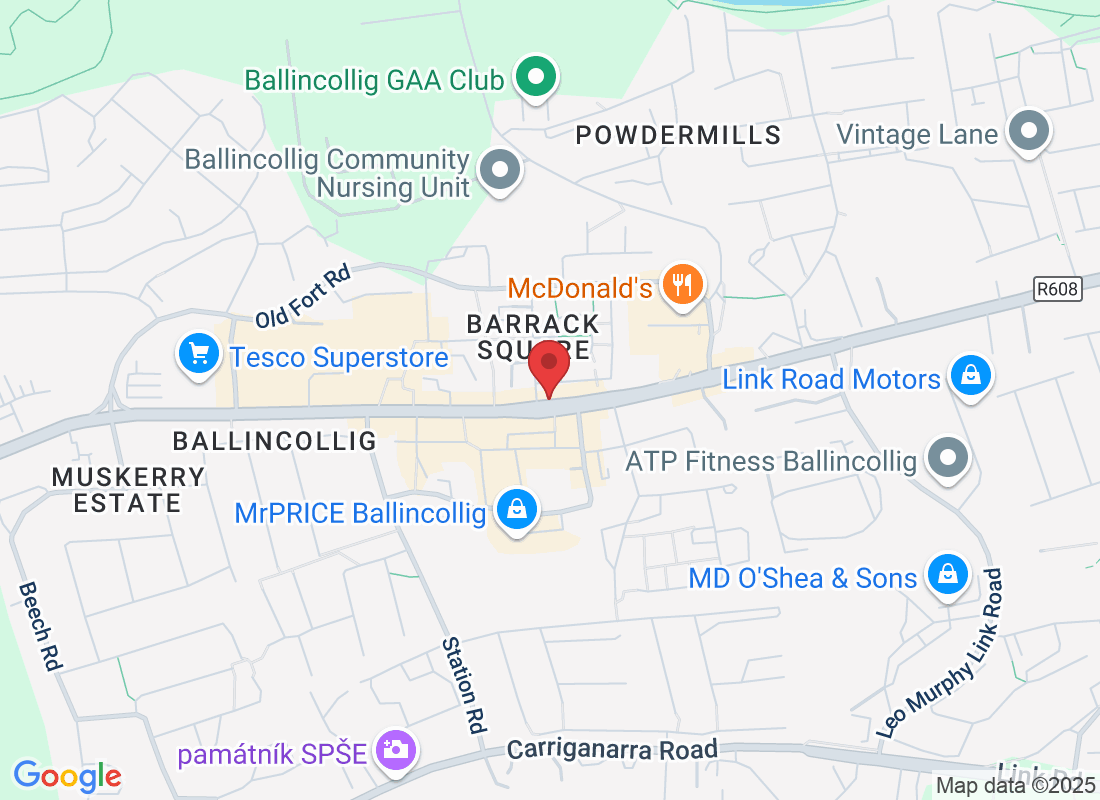
Where To Find Achilles Physiotherapy
If you have any questions before scheduling an appointment or for general inquiries, please use the contact us button below. Our team will promptly reach out to assist you.
Opening Hours
Monday: 8am - 6pm
Tuesday: 8am - 6pm
Wednesday: 8am - 6pm
Thursday: 8am - 6pm
Friday: 8am - 5pm