![Non US - Physio [SNAPSHOT]](https://images.leadconnectorhq.com/image/f_webp/q_80/r_1200/u_https://assets.cdn.filesafe.space/pF1R6FgyK9VhpIRO8BU6/media/6814b4740013191e650088ec.png )
Tips & Advice From Achilles Physiotherapy
The Real Cause of Persistent Groin Pain in Ballincollig
The Real Cause of Persistent Groin Pain in Ballincollig
If you are experiencing persistent groin pain, you are not alone. Many individuals in Ballincollig, Cork, seek help for this uncomfortable condition. At Achilles Physio Clinic, we understand that groin pain can stem from various sources, and addressing its underlying cause is essential for effective treatment. In this article, we will explore the real causes of groin pain, associated symptoms, and treatment options available at our clinic.
What Causes Groin Pain?
Groin pain can arise from many factors, often complicating accurate diagnosis. Here are some common causes:
- Muscle Strain: Often due to sports or physical activities, strains occur in the adductor muscles of the inner thigh, leading to pain during movement.
- Inguinal Hernia: A condition where tissue bulges through a weak spot in the abdominal muscles, potentially leading to pain and discomfort in the groin area.
- Hip Joint Issues: Conditions such as arthritis or labral tears can cause referred pain in the groin.
- Sports Injuries: Injuries related to sports activities like running, soccer, or hockey can result in pain from overuse or trauma.
- Osteitis Pubis: Inflammation of the pubic symphysis joint, often seen in athletes, causing chronic groin pain.
How Does Groin Pain Present?
Understanding the symptoms of groin pain is crucial for effective treatment. Typical presentations include:
- Dull, aching pain that worsens with activity.
- Sharp pain during specific movements or sports.
- Swelling or tenderness in the groin area.
- Difficulty with walking, running, or performing daily activities.
How is Groin Pain Diagnosed?
At Achilles Physio Clinic, our experienced practitioners utilize a thorough evaluation process for diagnosing groin pain. This usually includes:
- Physical Examination: A detailed assessment of the hip, groin, and lower back areas.
- Imaging Tests: X-rays, MRIs, or ultrasounds may be ordered to confirm the diagnosis.
What are Effective Treatment Options?
Treatment for groin pain depends on the cause and severity of the condition. Here are some commonly recommended options:
- Physical Therapy: Targeted exercises and stretches can strengthen the muscles and improve flexibility.
- Manual Therapy: Techniques such as joint mobilization and soft tissue manipulation may relieve pain and restore function.
- Medication: Non-steroidal anti-inflammatory drugs (NSAIDs) can help manage pain and swelling.
- Rest and Activity Modification: Reducing physical activity levels and avoiding movements that worsen pain is crucial for recovery.
- Surgical Intervention: In severe cases such as inguinal hernias, surgical repair may be necessary.
How Can I Prevent Groin Pain?
Preventing groin pain is essential, especially for active individuals. Here are some strategies:
- Warm-Up Properly: Engage in dynamic stretches before physical activities.
- Strength Training: Regularly strengthen the core and hip muscles to support the pelvis and groin.
- Listen to Your Body: Pay attention to pain signals and avoid pushing through discomfort.
- Avoid Sudden Changes: Gradually increase the intensity and frequency of sports activities.
FAQs About Groin Pain
1. What should I do if my groin pain worsens?
If you experience worsening pain, it is crucial to seek medical attention promptly. Scheduling an appointment with our practitioners can provide you with a thorough diagnosis and tailored treatment plan.
2. Can groin pain be caused by foot problems?
Yes, certain foot conditions such as flat feet or overpronation can lead to altered biomechanics, causing strain on the hip and groin areas, resulting in pain.
3. How long does it take to recover from groin pain?
The recovery time for groin pain varies depending on the underlying cause. Mild strains may heal within a few weeks, while more severe conditions may take longer.
4. Is physical therapy effective for groin pain?
Yes, physical therapy is a highly effective treatment option that can alleviate pain, improve mobility, and prevent recurrence of groin injuries.
5. When should I consider surgery for groin pain?
Surgery may be necessary for conditions like severe hernias or pelvic instability. A consultation with our specialists at Achilles Physio Clinic can help determine the best course of action.
Conclusion
Persistent groin pain can arise from various sources, and understanding its causes is key. At Achilles Physio Clinic in Ballincollig, Cork, we provide expert assessment and treatment tailored to your individual needs. If you are experiencing groin pain or any related issues, we encourage you to book an appointment today to get started on your path to recovery.

Ask Achilles Physiotherapy And Their Team
Fill in the form to request a call from our team. One of our team members will call you for FREE and answer any questions or concerns you may have about your condition
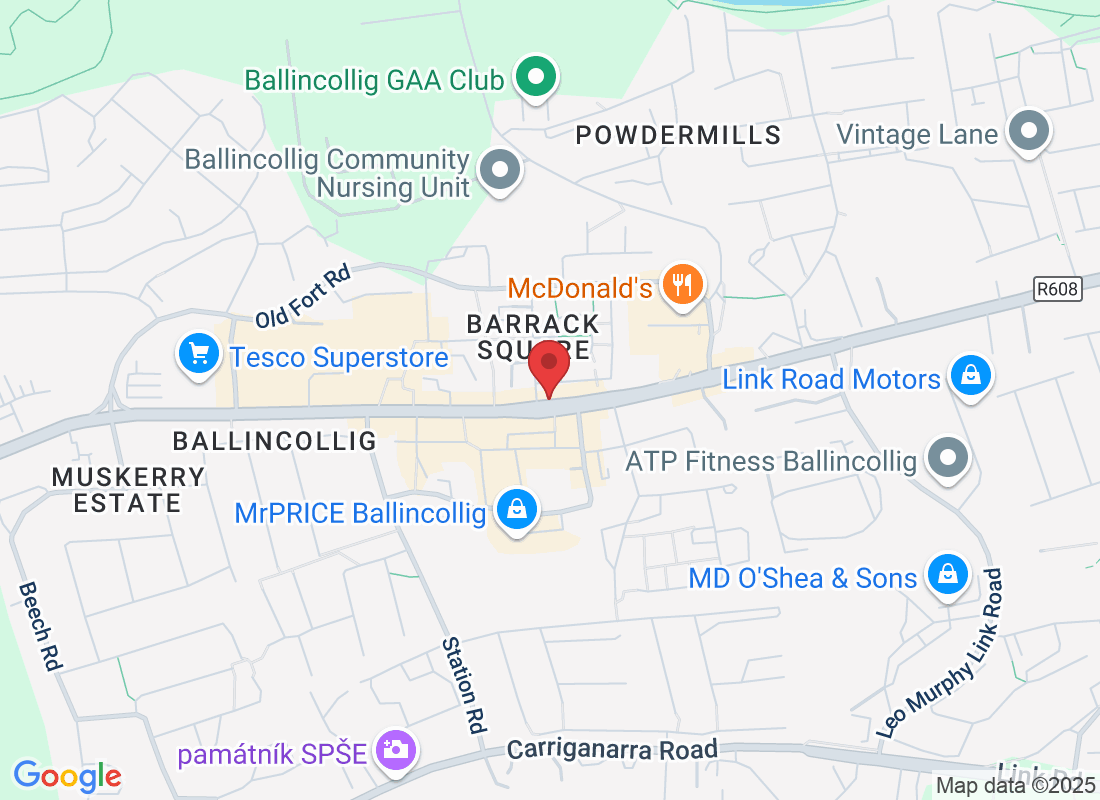
Where To Find Achilles Physiotherapy
If you have any questions before scheduling an appointment or for general inquiries, please use the contact us button below. Our team will promptly reach out to assist you.
Opening Hours
Monday: 8am - 6pm
Tuesday: 8am - 6pm
Wednesday: 8am - 6pm
Thursday: 8am - 6pm
Friday: 8am - 5pm