Tips & Advice From Achilles Physiotherapy
Why Your Lower Back Pain Gets Worse After Sitting — Ballincollig Physios Explain
Understanding Lower Back Pain After Sitting
If you've noticed that your lower back pain worsens after sitting for extended periods, you're not alone. Many patients at Achilles Physio Clinic in Ballincollig, Cork, report similar experiences. This blog post seeks to unpack the reasons behind this common issue and provide practical guidance for managing and alleviating discomfort.
What Causes Lower Back Pain After Sitting?
Lower back pain can stem from various factors, particularly when prolonged sitting is involved. Here are some of the key culprits:
- Postural Issues: Poor posture, such as slouching or leaning forward, can put stress on your lumbar spine.
- Muscle Fatigue: Sitting for long periods can lead to fatigue in the core and back muscles, which diminishes their ability to support the spine.
- Disc Compression: Extended sitting may increase pressure on the intervertebral discs, leading to pain as they degenerate over time.
- Sciatica: In some cases, irritation of the sciatic nerve can occur due to prolonged sitting, leading to radiating pain down the leg.
- Inactivity: Reduced movement leads to stiffness in the spine and hips, making it hard to maintain fluid movements when standing up.
How Can I Treat Lower Back Pain After Sitting?
Addressing lower back pain requires a multifaceted approach. Here are several strategies you can employ:
- Posture Correction: Maintain proper posture while sitting. Use supportive chairs and consider ergonomic furniture designed to reduce strain on your back.
- Movement and Exercise: Regular physical activity is crucial. Incorporate stretching and strengthening exercises into your routine to support spinal health.
- Sitting Breaks: Take short breaks every 30 minutes. Standing, walking, or doing simple stretches can relieve built-up tension.
- Heat and Cold Therapy: Applying heat or cold packs to the affected area can help reduce inflammation and alleviate pain.
- Physical Therapy: Consult a physiotherapist at Achilles Physio Clinic who can provide personalized assessments and recommend targeted treatments.
When Should You Seek Professional Help?
If your lower back pain persists despite self-care measures, it may be time to consult a healthcare professional. Signs that warrant further evaluation include:
- Pain lasting longer than a few weeks
- Severe pain, especially if it spreads to the legs
- Weakness, numbness, or tingling in the legs
- Inability to perform daily activities
- Recent trauma or injury to your back
How Achilles Physio Clinic Can Help
At Achilles Physio Clinic, we provide comprehensive evaluations to understand the specific nature of your lower back pain. Our team employs various therapeutic approaches, including:
- Manual Therapy: A hands-on approach to help alleviate pain and improve mobility.
- Exercise Prescription: Tailored exercises designed to strengthen your back, improve flexibility, and enhance overall posture.
- Education: Learning proper body mechanics and ergonomics to prevent future pain episodes.
- Modalities: Techniques like ultrasound therapy or electrical stimulation for pain relief can be integrated into your treatment plan.
FAQs About Lower Back Pain After Sitting
1. Is it normal to feel back pain after sitting?
Yes, it is quite common for individuals to experience lower back pain after long periods of sitting, especially if they maintain poor posture.
2. Can my sitting position contribute to back pain?
Absolutely. Poor sitting positions, including slouching or using inadequate support, can significantly contribute to the strain on your back.
3. What exercises can I do to relieve my lower back pain?
Exercises such as pelvic tilts, cat-cow stretches, and hamstring stretches can help relieve lower back pain effectively.
4. How often should I take breaks while sitting?
It is advisable to take a short break every 30 minutes. Stand up, stretch, or take a brief walk to relieve tension.
5. What should I do if my back pain doesn’t improve?
If your pain persists, it's important to consult a physiotherapist at Achilles Physio Clinic for a thorough assessment and tailored treatment plan.
Conclusion
Understanding the reasons behind your lower back pain after sitting is the first step toward effective management and recovery. Whether it’s postural adjustments, regular exercise, or professional help, there are multiple strategies you can adopt. If you’re experiencing persistent discomfort, our team at Achilles Physio Clinic in Ballincollig, Cork, is here to assist you. Book an appointment today to start your journey towards a pain-free life.

Ask Achilles Physiotherapy And Their Team
Fill in the form to request a call from our team. One of our team members will call you for FREE and answer any questions or concerns you may have about your condition
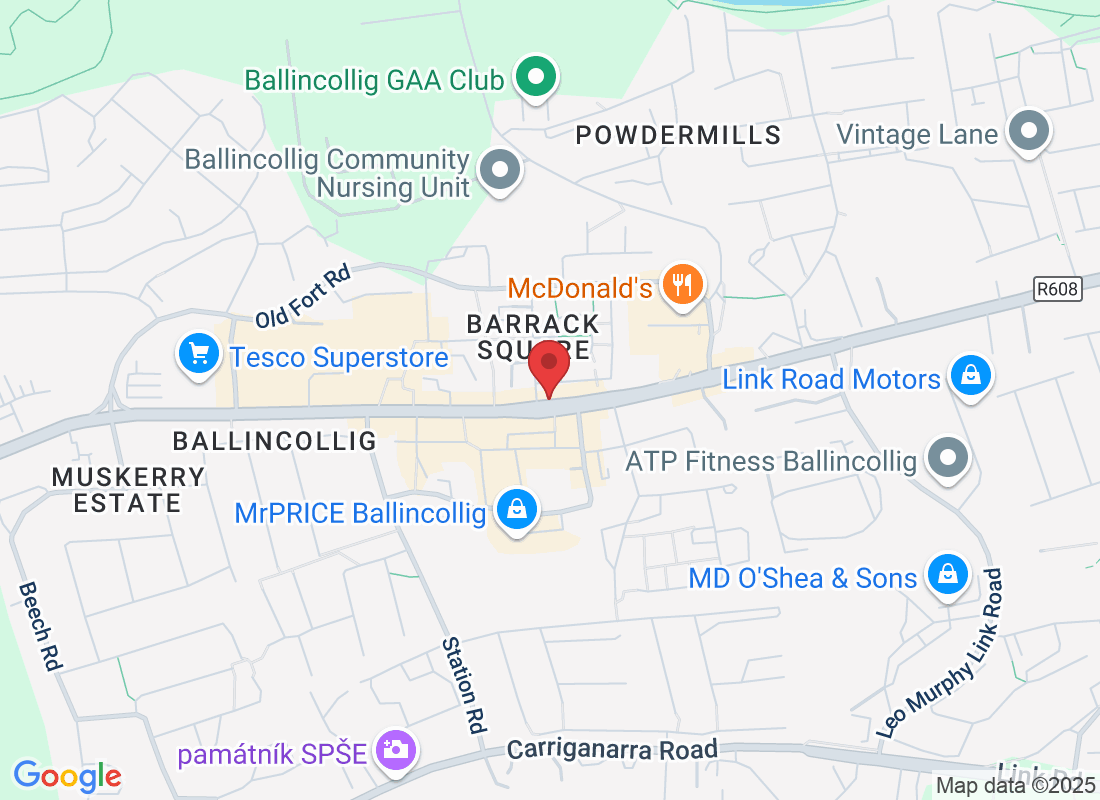
Where To Find Achilles Physiotherapy
If you have any questions before scheduling an appointment or for general inquiries, please use the contact us button below. Our team will promptly reach out to assist you.
Opening Hours
Monday: 8am - 6pm
Tuesday: 8am - 6pm
Wednesday: 8am - 6pm
Thursday: 8am - 6pm
Friday: 8am - 5pm