Tips & Advice From Achilles Physiotherapy

Why Your Body Needs Recovery as Much as Training
Understanding Recovery: A Key Component of Efficient Training
At Achilles Physio Clinic in Ballincollig, Cork, we understand that training and recovery go hand in hand. Athletes and fitness enthusiasts often focus heavily on their training regimen, neglecting the critical aspect of recovery. This oversight can lead to injuries and hinder long-term performance. In this article, we will delve into why recovery is as essential as training itself.
What Causes Fatigue and Potential Injuries?
When you train, whether running, jumping, or lifting weights, your body's muscles undergo stress. This stress results in micro-tears in your muscle fibers, which are a normal part of the process for building strength and endurance. However, if recovery is overlooked, several issues can arise:
- Muscle Fatigue: Continuous training without adequate recovery leads to a cumulative effect of fatigue, inhibiting peak performance.
- Injuries: Overuse injuries, such as plantar fasciitis and Achilles tendonitis, can occur, affecting your foot structure and overall mobility.
- Impaired Performance: Without recovery, athletes may find themselves plateauing or even regressing in their performance levels.
How Does Recovery Improve Performance?
Recovery enables repair and adaptation of the body, leading to improved performance in multiple ways:
- Muscle Repair: During recovery, the body repairs muscle fibers, replenishing muscle tissues and ultimately increasing strength.
- Inflammation Reduction: Adequate recovery minimizes inflammation, which is crucial for maintaining joint and tendon health.
- Mental Refreshment: Recovery aids in mental clarity and focus, which are vital for optimizing training outcomes.
What Are Effective Recovery Strategies?
At Achilles Physio Clinic, we emphasize a variety of strategies for effective recovery:
- Active Recovery: Engaging in low-intensity activities such as walking or swimming can promote blood flow and aid recovery without adding stress to the body.
- Rest Days: Scheduling complete rest days into your training program is critical for muscular recovery and overall health.
- Hydration and Nutrition: Proper fluid intake and a balanced diet rich in proteins, carbohydrates, and essential vitamins support muscle recovery and overall health.
- Physical Therapy Modalities: Interventions, such as physiotherapy and targeted foot treatments for conditions like heel spurs, can support recovery. Techniques such as ultrasound therapy, massage, and personalized exercise regimens are effective.
How Can I Treat Common Foot Injuries Related to Overtraining?
Foot injuries, such as plantar fasciitis and metatarsalgia, often arise from inadequate recovery. Here are some treatment options available at our clinic:
- Custom Orthotics: Tailored foot supports can alleviate pressure on the feet and distribute weight more evenly.
- Stretching and Strengthening Exercises: Specific exercises targeting the calf muscles and plantar fascia can offer relief and promote healing.
- Cold Therapy: Applying ice to inflamed areas can reduce swelling and soreness.
Do Different Types of Training Require Unique Recovery Approaches?
Yes, different modalities of training require tailored recovery strategies. For instance:
- Aerobic Training: May require prolonged aerobic recovery periods, including lower-intensity workouts.
- Strength Training: Requires focused recovery on individual muscle groups, particularly through active recovery and stretching.
How Can a Podiatrist Help with Recovery?
At Achilles Physio Clinic, our podiatric specialists are adept at evaluating and treating foot and ankle conditions. Personalized assessments can help create a recovery plan that incorporates:
- Biomechanical Analysis: This helps identify problem areas and tailor recommendations for physical activity and recovery.
- Manual Therapy: Tailored manipulation and massage techniques can support recovery in injured areas.
Frequently Asked Questions (FAQ)
- What are signs that I am overtraining? Common symptoms include persistent muscle soreness, fatigue, irritability, and decreased performance.
- How long should my recovery period be? Recovery length varies; generally, 24-48 hours of rest for high-intensity workouts is recommended.
- Is rest the only way to recover? No, incorporating active recovery strategies is also key to enhancing your overall recovery.
- Can I train if I have a foot injury? It depends on the severity; consult with a podiatrist to develop a safe training plan.
- How do I know if I'm ready to return to training? Key indicators include reduced pain, improved mobility, and clearance from a healthcare professional.
Conclusion
In conclusion, recovery is an integral component of any training regimen. Ignoring the body's need for rest and rehabilitation can lead to injuries and suboptimal performance levels. At Achilles Physio Clinic in Ballincollig, Cork, we provide tailored strategies to support your recovery needs and help you stay on track with your fitness goals. If you’re experiencing foot pain or want to learn more about effective recovery methods, book an appointment with us today!

Ask Achilles Physiotherapy And Their Team
Fill in the form to request a call from our team. One of our team members will call you for FREE and answer any questions or concerns you may have about your condition
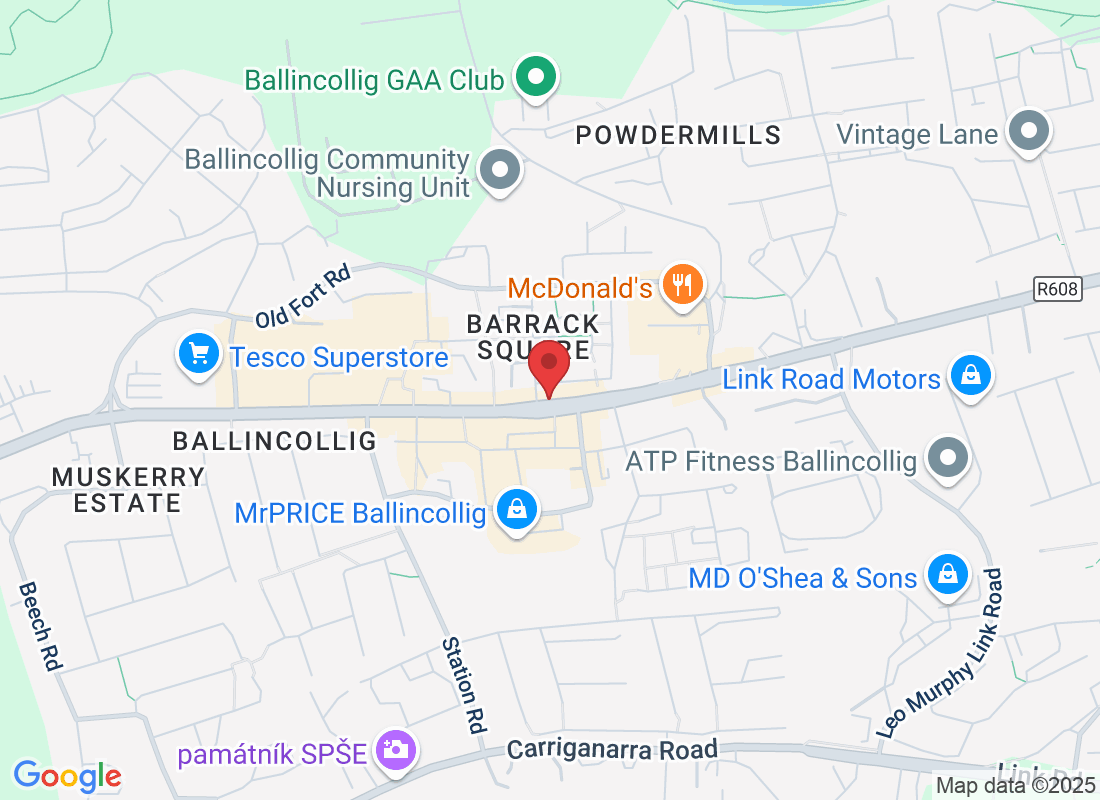
Where To Find Achilles Physiotherapy
If you have any questions before scheduling an appointment or for general inquiries, please use the contact us button below. Our team will promptly reach out to assist you.
Opening Hours
Monday: 8am - 6pm
Tuesday: 8am - 6pm
Wednesday: 8am - 6pm
Thursday: 8am - 6pm
Friday: 8am - 5pm