![Non US - Physio [SNAPSHOT]](https://images.leadconnectorhq.com/image/f_webp/q_80/r_1200/u_https://assets.cdn.filesafe.space/pF1R6FgyK9VhpIRO8BU6/media/6814b4740013191e650088ec.png )
Tips & Advice From Achilles Physiotherapy
Why Your Recovery Plateaus Midway
Understanding Recovery Plateaus in Podiatry
Welcome to the Achilles Physio Clinic in Ballincollig, Cork. If you are undergoing treatment for foot or ankle conditions, you may have experienced a frustrating situation known as a recovery plateau. This phenomenon can often impede your healing journey, leaving you wondering why progress seems to stall midway through your rehabilitation. In this article, we will explore the causes of recovery plateaus, their implications, and actionable strategies to facilitate ongoing improvement.
What Causes Recovery Plateaus?
Recovery plateaus can arise due to a variety of factors. Understanding these threads can help you navigate your path to recovery more effectively. Here are some primary causes:
- Inadequate Rehabilitation: If the rehabilitation plan is not tailored to your specific condition—such as plantar fasciitis, Achilles tendonitis, or other common foot ailments—you may not be receiving the appropriate exercises or modalities needed for progression.
- Biomechanical Issues: Compensatory movements due to prior injuries or misalignments can hinder recovery. For instance, conditions like flat feet or bunions can affect your gait, leading to further strain on muscles and joints.
- Limitations in Range of Motion: Scar tissue formation or joint stiffness can impede normal movement, leading to plateaus. This is particularly common post-surgery, such as following bunionectomies or ankle arthroscopy.
- Insufficient Rest and Recovery: The recovery process requires adequate rest periods. Overtraining without proper recovery can lead to fatigue and slow healing.
- Pain Management: Persistent pain can deter patients from fully engaging in their prescribed rehabilitation activities, thereby halting progress.
How Can I Treat a Recovery Plateau?
Experiencing a recovery plateau can be disheartening, but there are concrete steps you can take to overcome it. Here are some strategies we recommend:
- Consult Your Podiatrist: Regular check-ins with your podiatrist at Achilles Physio Clinic can help identify barriers to recovery and adapt your treatment plan as necessary.
- Revise Your Rehabilitation Plan: It may be beneficial to incorporate diverse therapeutic modalities, such as ultrasound therapy, manual therapy, or shockwave therapy, especially for conditions like plantar fasciitis.
- Focus on Flexibility and Strengthening: Engaging in targeted stretching and strengthening exercises tailored to your specific condition can greatly assist in improving range of motion and stability.
- Manage Pain Effectively: Discuss pain management options with your healthcare provider. This may include physical modalities, medications, or lifestyle adjustments to enhance comfort during recovery.
- Set Realistic Goals: Setting smaller, achievable milestones within your broader recovery goals can help to maintain motivation and provide a sense of accomplishment.
What Role Does Nutrition Play in Recovery?
Nutrition can significantly impact your recovery, particularly in musculoskeletal rehabilitation. A balanced diet rich in:
- Protein: Essential for tissue repair and muscle building.
- Vitamins and Minerals: Such as Vitamin C for collagen formation and calcium for bone health.
- Hydration: Staying well-hydrated can facilitate optimal physiological processes and improve overall recovery.
Discussing a diet plan with your healthcare provider can be beneficial in enhancing recovery outcomes.
Can Mental Health Affect Recovery?
Absolutely. Mental health plays a crucial role in physical rehabilitation. Stress, anxiety, and depression can adversely affect your motivation and perceived pain levels. Engaging in mental health support, mindfulness exercises, or counseling may provide additional benefits alongside physical treatment.
How Long Should I Expect Recovery to Take?
The timeline for recovery can vary widely based on individual conditions and circumstances. Factors such as the severity of your foot or ankle injury, adherence to rehabilitation, and lifestyle choices all play integral roles. For conditions like Achilles tendonitis, recovery can typically take several weeks to months, while more complex conditions may take longer. Always consult with your podiatrist for a personalized estimate.
FAQs About Recovery Plateaus
- What is a recovery plateau?
A recovery plateau is a phase during rehabilitation where progress stalls despite efforts to improve. - How can I avoid a recovery plateau?
Regular assessments, following a tailored rehabilitation plan, and managing expectations can help circumvent plateaus. - What should I do if I hit a plateau?
Consult your healthcare provider to reevaluate your treatment plan and incorporate strategies to address the factors contributing to the plateau. - Are there specific exercises that can help?
Focusing on flexibility and strength exercises, as well as using modalities such as ice and heat therapy, can be useful. - Should I be worried about a recovery plateau?
While plateaus can be frustrating, they are a common part of the recovery process. Regular communication with your healthcare provider is key.
Conclusion
Experiencing a recovery plateau can be a challenging aspect of your journey toward healing. At Achilles Physio Clinic in Ballincollig, Cork, our dedicated staff is available to help you address these challenges head-on. By understanding the causes and implementing effective strategies, we can work together to optimize your recovery and improve your quality of life.
If you are struggling with a recovery plateau or have questions about your rehabilitation, don’t hesitate to reach out. Book an appointment today to receive personalized care tailored to your needs.

Ask Achilles Physiotherapy And Their Team
Fill in the form to request a call from our team. One of our team members will call you for FREE and answer any questions or concerns you may have about your condition
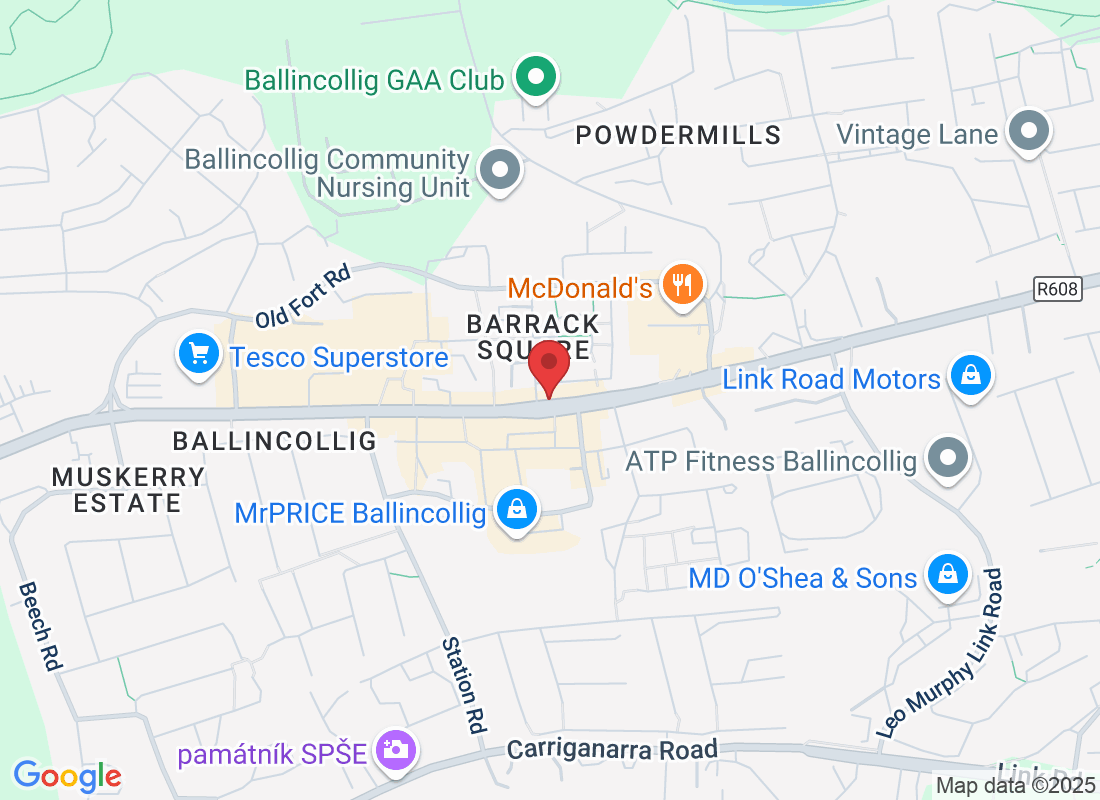
Where To Find Achilles Physiotherapy
If you have any questions before scheduling an appointment or for general inquiries, please use the contact us button below. Our team will promptly reach out to assist you.
Opening Hours
Monday: 8am - 6pm
Tuesday: 8am - 6pm
Wednesday: 8am - 6pm
Thursday: 8am - 6pm
Friday: 8am - 5pm