Tips & Advice From Achilles Physiotherapy
Ballincollig Physio Strategies for Managing Pain From a Bulging Disc
Understanding Bulging Discs
A bulging disc, often referred to as a herniated or slipped disc, occurs when the soft inner gel of an intervertebral disc protrudes through its outer layer. This condition can lead to significant pain, discomfort, and even mobility issues. At Achilles Physio Clinic in Ballincollig, Cork, we employ tailored strategies to help manage pain associated with bulging discs effectively.
What Causes a Bulging Disc?
Bulging discs typically result from a combination of age-related degeneration and physical strain. Factors contributing to this condition include:
- Aging: As we age, the discs lose hydration and elasticity, making them more susceptible to bulging.
- Injury or Trauma: Sudden impacts or lifting heavy objects can cause a disc to bulge.
- Genetics: A family history of back problems may increase the likelihood of developing disc issues.
- Poor Posture: Maintaining poor posture during daily activities can place undue stress on the spine.
Symptoms of a Bulging Disc
Patients with a bulging disc may experience various symptoms, which can include:
- Localized back pain.
- Pain radiating down one leg (sciatica).
- Numbness or tingling in the extremities.
- Muscle weakness.
- Limited range of motion.
How Can I Treat Pain from a Bulging Disc?
Effective management of bulging disc-related pain often requires a multi-faceted approach. Here at Achilles Physio Clinic, we recommend the following strategies:
1. Physical Therapy
Engaging in physical therapy is crucial for strengthening the muscles that support the spine. Our physiotherapists will develop a tailored exercise program focused on:
- Improving flexibility.
- Building core strength.
- Enhancing posture.
2. Manual Therapy
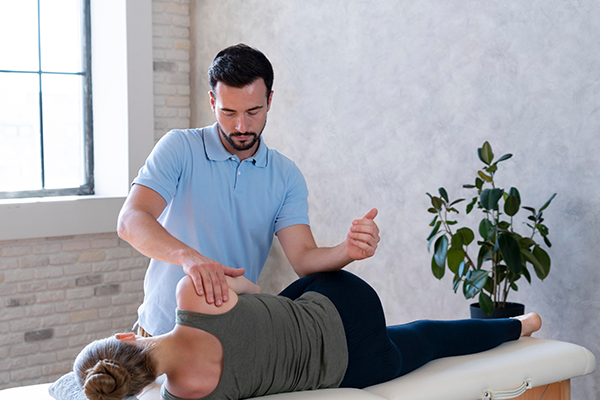
Techniques such as spinal manipulation, mobilization, and massage can alleviate tension and improve spinal alignment, ultimately reducing pain.
3. Heat and Cold Therapy
Applying heat or cold packs to the affected area can help decrease inflammation and enhance circulation. Alternate between hot and cold packs for optimal results.
4. Medication Management
Your healthcare provider may recommend over-the-counter pain relievers, such as ibuprofen or acetaminophen, to manage inflammation and pain effectively. In more severe cases, prescription medications or injections may be considered.
5. Lifestyle Modifications
Making lifestyle changes can dramatically affect your recovery. Consider:
- Maintaining a healthy weight: Excess weight places added strain on the spine.
- Practicing good posture: Be mindful of your posture while sitting or standing.
- Regular exercise: Low-impact activities, such as walking or swimming, can improve spine health.
When Should I See a Healthcare Professional?
If you experience severe pain, numbness, or weakness in your legs, an appointment with your healthcare provider is essential. Early intervention can prevent further complications and promote effective recovery.
Q&A about Bulging Discs
1. What is the difference between a bulging disc and a herniated disc?
A bulging disc refers to a disc that has extended beyond its normal boundary, while a herniated disc occurs when the inner gel leaks out, potentially pressing on nerve roots.
2. Can I prevent a bulging disc?
While you cannot completely prevent a bulging disc, maintaining proper posture, strength training, and avoiding heavy lifting can significantly reduce your risk.
3. How long does recovery take?
Recovery time varies based on the severity of the condition and adherence to a treatment plan but can typically range from a few weeks to several months.
4. Are there any exercises I should avoid?
Avoid activities that involve heavy lifting or twisting movements, as these can exacerbate symptoms. Always consult your physiotherapist before starting any new exercise regimen.
5. When can I return to daily activities?
The timeline for returning to daily activities will depend on individual recovery, but many patients find relief within a few weeks with appropriate treatment.
Conclusion
Experiencing pain from a bulging disc can be debilitating, but with the right strategies, you can effectively manage your discomfort. At Achilles Physio Clinic in Ballincollig, Cork, our team of dedicated professionals is here to help you regain your quality of life through personalized treatment plans.
If you're experiencing symptoms related to a bulging disc, don’t hesitate to seek help. Please book an appointment with us today to start your journey toward recovery.

Ask Achilles Physiotherapy And Their Team
Fill in the form to request a call from our team. One of our team members will call you for FREE and answer any questions or concerns you may have about your condition
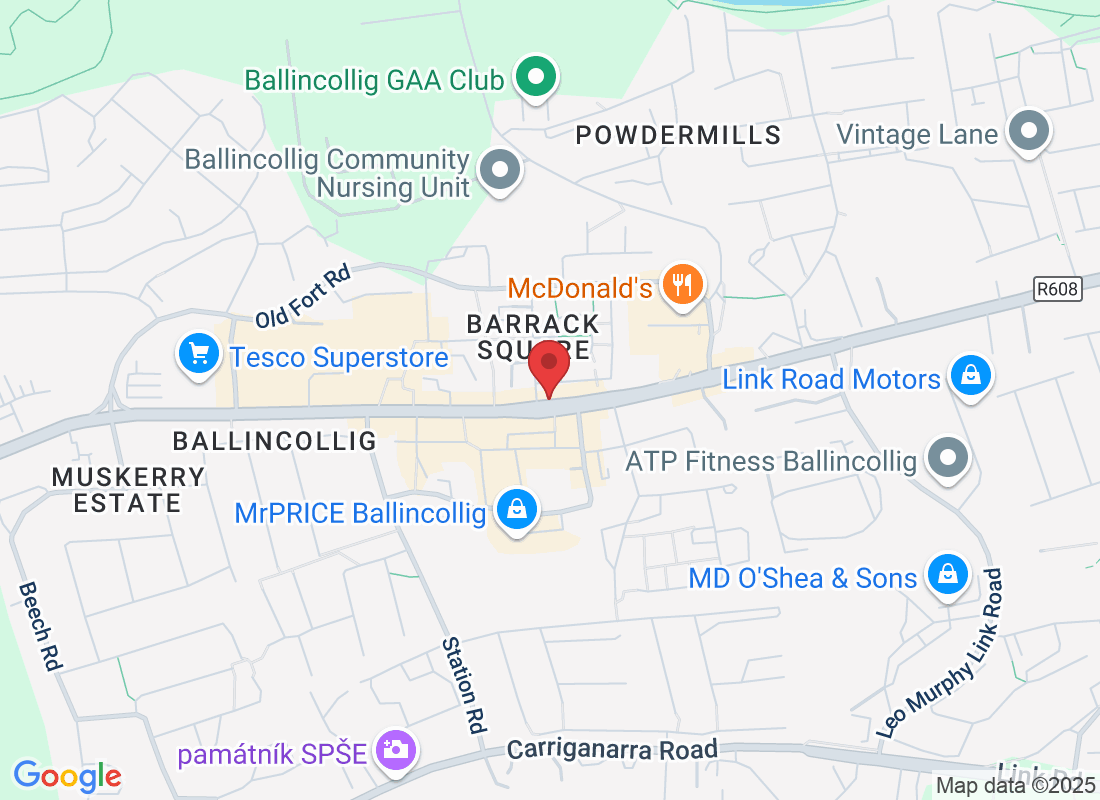
Where To Find Achilles Physiotherapy
If you have any questions before scheduling an appointment or for general inquiries, please use the contact us button below. Our team will promptly reach out to assist you.
Opening Hours
Monday: 8am - 6pm
Tuesday: 8am - 6pm
Wednesday: 8am - 6pm
Thursday: 8am - 6pm
Friday: 8am - 5pm