Tips & Advice From Achilles Physiotherapy
How Ballincollig Clinics Use Taping to Support Recovery
Introduction to Taping in Podiatry
At Achilles Physio Clinic in Ballincollig, Cork, we understand the importance of effective rehabilitation techniques for various foot conditions. One such technique is the use of taping to support recovery. Taping serves not only as a form of treatment but also as a preventative measure for injuries, providing stability and support to the foot and ankle.
What Conditions Can Taping Help With?
Taping is a valuable tool in managing a variety of conditions affecting the foot and ankle. These include:
- Plantar Fasciitis: Inflammation of the plantar fascia, often leading to heel pain.
- Ankle Sprains: Taping helps stabilize the ankle post-injury and supports recovery.
- Achilles Tendinitis: Taping can alleviate strain on the Achilles tendon.
- Flat Feet: Provides arch support, enhancing comfort and reducing pain.
- Soleus and Gastrocnemius Strain: Supports the calf muscles and aids recovery from strains.
What Types of Tape Are Used in Podiatry?
In our clinic, we employ different types of tape, each serving specific purposes in patient care:
- Elastic Therapeutic Tape (Kinesiology Tape): Provides support while allowing full range of motion. It's often used for sports injuries and tends to be more comfortable for patients.
- Rigid Tape: Offers more stability and is often used for severe injuries where immobilization may be necessary.
- Co-band and Foam Tape: Used for cushioning and compressive support in non-restrictive ways.
How Does Taping Support Recovery?
Taping supports recovery through various mechanisms:
- Stabilization: It helps stabilize joints and muscles, reducing the risk of further injury.
- Pain Reduction: By altering pain signaling pathways, taping can help reduce discomfort in the affected area.
- Increased Proprioception: Taping enhances sensory feedback, improving balance and coordination.
- Reduced Inflammation: Taping can assist in decreasing swelling, particularly in acute injuries.
How Is Taping Applied?
The application of tape is often customized based on the patient's specific needs and the condition being treated. Generally, the process involves the following steps:
- Assessment: A thorough assessment by a qualified podiatrist to determine the appropriate taping technique.
- Preparation: The skin is cleaned and dried to ensure proper adhesion.
- Application: The tape is strategically applied to provide support to injured areas while allowing for adequate movement.
- Monitoring: Patients are monitored for skin reactions and the overall effectiveness of the taping.
Can Taping Be Used Alongside Other Treatments?
Yes, taping is often used in conjunction with other treatment modalities, such as:
- Physical Therapy: Strengthening exercises can be supplemented with taping for optimal recovery.
- Orthotic Devices: Custom foot orthotics can provide further support in conjunction with taping.
- Medication: Anti-inflammatory medications may be prescribed alongside therapeutic taping to control pain.
What to Expect After Taping?
Patients can generally expect:
- Improved Functionality: Enhanced movement and reduced pain during daily activities.
- Follow-up Care: Regular check-ups to adjust the taping or address any concerns that may arise.
- Increased Activity Levels: Gradual return to normal activities, including sports, as healing progresses.
FAQ
1. How long can I keep the tape on?
The tape can typically be worn for several days unless discomfort or skin irritation occurs. Patients are advised to keep it dry and clean.
2. Can I remove the tape myself?
Yes, you can remove the tape at home, preferably while showering or bathing. If you experience significant discomfort, consult your podiatrist.
3. Is taping painful?
When applied correctly, taping should not cause pain. You may feel slight pressure or support around the area, but it should not be uncomfortable.
4. How often should I come in for taping?
The frequency of appointments will depend on your specific condition and recovery progress. Most patients benefit from regular follow-ups.
5. Can children benefit from taping?
Yes, children can benefit from taping for various conditions, especially related to sports injuries, as it provides support and minimizes the risk of further injury.
Conclusion
Taping is a versatile and effective tool in the management and rehabilitation of foot and ankle conditions at Achilles Physio Clinic in Ballincollig, Cork. With our expert team and tailored approach, we can help support your recovery and improve your foot health. If you're dealing with a foot injury or condition and could benefit from our taping techniques, we encourage you to book an appointment today.

Ask Achilles Physiotherapy And Their Team
Fill in the form to request a call from our team. One of our team members will call you for FREE and answer any questions or concerns you may have about your condition
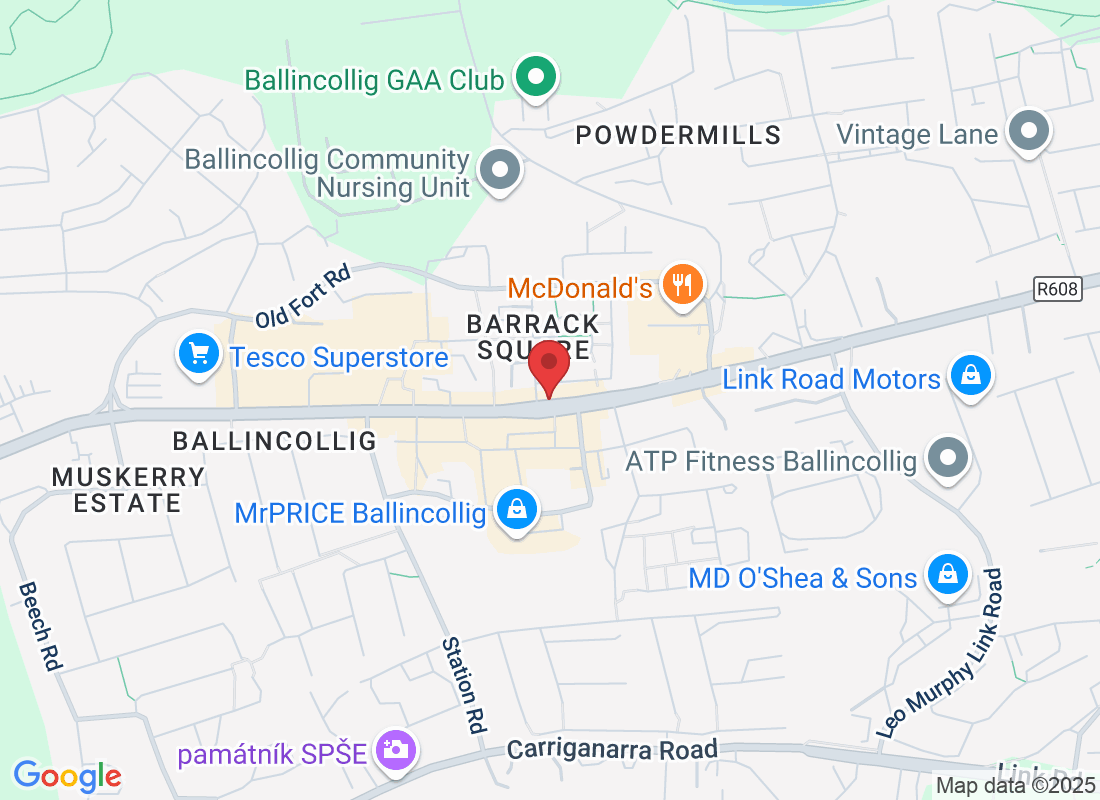
Where To Find Achilles Physiotherapy
If you have any questions before scheduling an appointment or for general inquiries, please use the contact us button below. Our team will promptly reach out to assist you.
Opening Hours
Monday: 8am - 6pm
Tuesday: 8am - 6pm
Wednesday: 8am - 6pm
Thursday: 8am - 6pm
Friday: 8am - 5pm