![Non US - Physio [SNAPSHOT]](https://images.leadconnectorhq.com/image/f_webp/q_80/r_1200/u_https://assets.cdn.filesafe.space/pF1R6FgyK9VhpIRO8BU6/media/6814b4740013191e650088ec.png )
Tips & Advice From Achilles Physiotherapy
What Makes Some Sports Injuries Harder to Recover From
Introduction
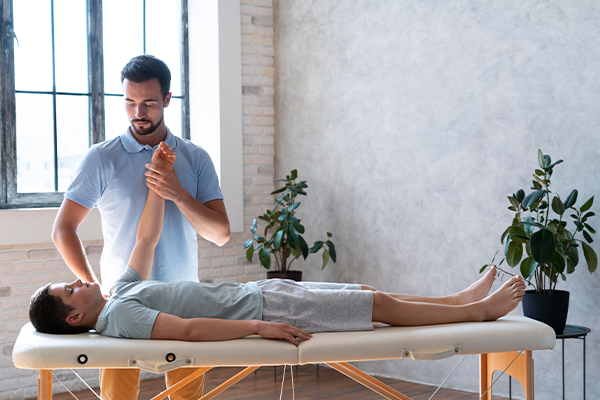
At Achilles Physio Clinic in Ballincollig, Cork, we understand that sports injuries can vary significantly in their severity and recovery times. Whether you're an amateur athlete or a seasoned professional, understanding what makes some sports injuries harder to recover from can help you manage your expectations and guide your rehabilitation process.
What Causes Some Sports Injuries to Have Longer Recovery Times?
Several factors contribute to the differing recoveries of sports injuries:
- Type of Injury: Acute injuries, such as fractures or ligament tears, often require surgical intervention and extended rehabilitation, while chronic injuries, like tendonitis, may require a more gradual recovery approach.
- Location of Injury: Injuries to specific areas of the foot and ankle, such as the Achilles tendon or plantar fascia, can be more complex due to the structural demands placed on these tissues.
- Severity and Degree: The extent of damage significantly impacts recovery. Grades of injuries (e.g., Grade I, II, III sprains) indicate how severe the injury is and can range from minor damage to complete tears.
- Athlete's Age and Health: Older athletes or those with pre-existing conditions may experience slower recovery due to reduced regenerative capacity and overall physical resilience.
- Adherence to Rehabilitation: A patient’s commitment to following prescribed rehabilitation exercises and therapy can greatly affect recovery duration.
Common Sports Injuries in Podiatry
The foot and ankle endure significant stress during athletic activities, leading to common injuries such as:
- Achilles Tendon Rupture: This injury involves a tear in the Achilles tendon, often causing severe pain and requiring surgery and lengthy rehabilitation.
- Plantar Fasciitis: Characterized by inflammation of the plantar fascia, heel pain commonly worsens with activity and may take weeks or months to heal.
- Fractures: Bone fractures, such as metatarsal fractures, require immobilization and careful management to ensure proper healing.
- Sprains and Strains: Ankle sprains occur frequently in sports, where ligaments are stretched or torn, and recovery can range from weeks to months depending on severity.
- Stress Fractures: Often resulting from repetitive stress, these can take longer to heal due to their location and the need for rest.
How Can I Treat Sports Injuries Effectively?
Effective treatment strategies for sports injuries include:
- Rest: Allowing the affected area time to heal is crucial. Avoid activities that aggravate the pain.
- Ice Therapy: Applying ice reduces swelling and alleviates pain in the initial stages post-injury.
- Compression and Elevation: Wrapping the injured area and elevating it can help manage swelling.
- Physical Therapy: Seeking professional guidance from a podiatrist or physical therapist can optimize your rehabilitation and provide personalized exercise plans.
- Medication: Non-steroidal anti-inflammatory drugs (NSAIDs) can help manage pain and inflammation.
- Surgery: In cases of severe injuries, surgical options may be necessary to repair damaged structures.
Preventing Sports Injuries
While not all injuries are preventable, you can reduce your risk significantly:
- Engage in a proper warm-up before exercise.
- Attend to strength and flexibility training.
- Use appropriate footwear suitable for your sport.
- Adopt a gradual approach to increasing your training intensity.
When Should I See a Podiatrist?
If you experience persistent pain, swelling, or an inability to bear weight following a sports injury, consult a podiatrist. Early intervention can prevent complications and facilitate a faster recovery.
FAQ
1. How long does it usually take to recover from a sports injury?
Recovery time can vary from a few days for minor injuries to several months for severe injuries. Individual factors such as age, overall health, and adherence to rehabilitation also play significant roles.
2. What should I do immediately after a sports injury?
Apply the R.I.C.E method: Rest, Ice, Compression, and Elevation. This helps minimize pain and swelling immediately after the injury occurs.
3. Can I continue to play sports with a mild injury?
Playing through pain can exacerbate the injury and prolong recovery. It is generally advisable to rest until you can return to your activity without discomfort.
4. Are there specific exercises to help strengthen my feet after an injury?
Yes, exercises targeting the muscles of the foot and ankle can aid in recovery. A podiatrist can recommend appropriate exercises tailored to your specific needs.
5. How can I prevent future sports injuries?
Incorporate strength training, proper warm-up and cool-down routines, maintain good flexibility, and choose appropriate footwear based on your sport.
Conclusion
Understanding the complexities of sports injuries can empower you to take informed actions towards recovery. At Achilles Physio Clinic in Ballincollig, Cork, our team is dedicated to providing expert care for sports injuries. If you're dealing with a sports injury or need guidance on injury prevention, book an appointment with us today to receive personalized care and support on your road to recovery.

Ask Achilles Physiotherapy And Their Team
Fill in the form to request a call from our team. One of our team members will call you for FREE and answer any questions or concerns you may have about your condition
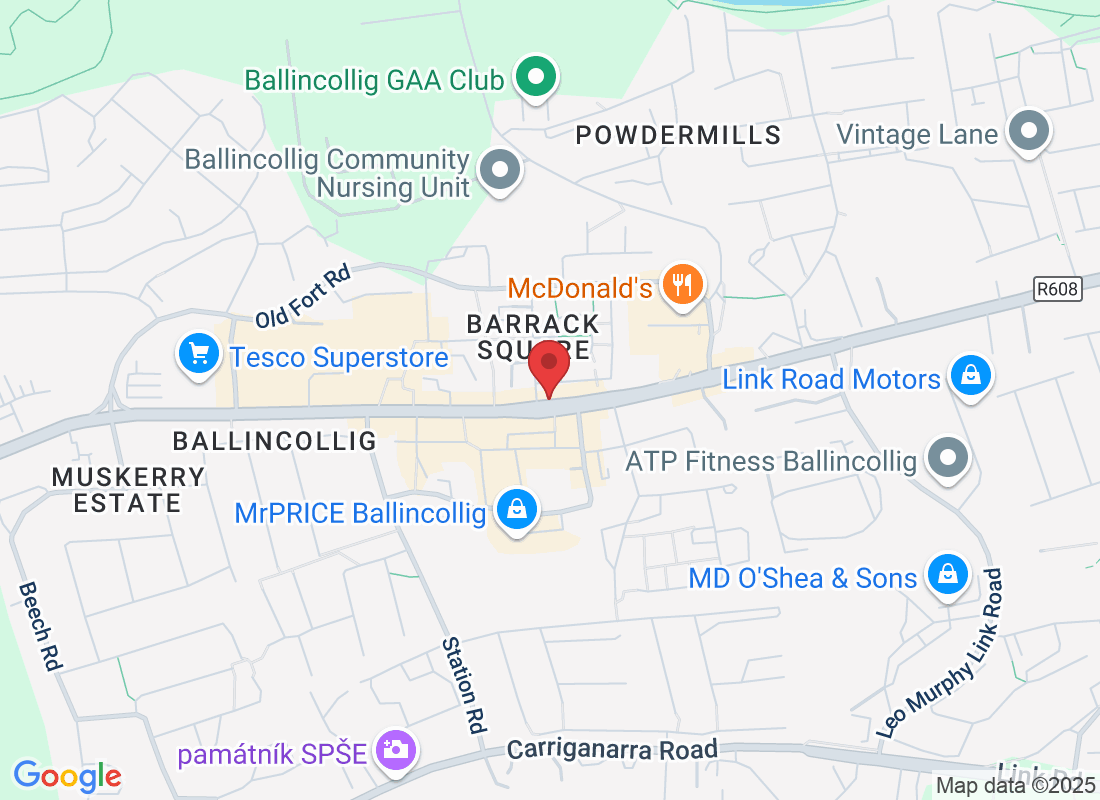
Where To Find Achilles Physiotherapy
If you have any questions before scheduling an appointment or for general inquiries, please use the contact us button below. Our team will promptly reach out to assist you.
Opening Hours
Monday: 8am - 6pm
Tuesday: 8am - 6pm
Wednesday: 8am - 6pm
Thursday: 8am - 6pm
Friday: 8am - 5pm