![Non US - Physio [SNAPSHOT]](https://images.leadconnectorhq.com/image/f_webp/q_80/r_1200/u_https://assets.cdn.filesafe.space/pF1R6FgyK9VhpIRO8BU6/media/6814b4740013191e650088ec.png )
Tips & Advice From Achilles Physiotherapy
How to Avoid Setbacks During Recovery
Understanding Recovery in Podiatry
At Achilles Physio Clinic in Ballincollig, Cork, our primary goal is to guide you through a successful recovery process. Whether you’re dealing with plantar fasciitis, Achilles tendinopathy, or a recent foot surgery, understanding how to avoid setbacks is crucial. This article offers evidence-based insights on optimizing your recovery journey.
What Causes Setbacks in Recovery?
Setbacks during recovery can stem from numerous factors. Understanding these causes can help you prevent them effectively:
- Inadequate Rest: Overworking an injured area can prolong recovery times.
- Improper Footwear: Wearing shoes that lack support can exacerbate conditions like bunions or flat feet.
- Ignoring Pain: Disregarding pain signals is a common mistake that can lead to further injury.
- Poor Rehabilitation: Neglecting a structured rehabilitation program limits healing and strength.
- Lack of Nutritional Support: Insufficient nutrition can hinder tissue repair and recovery.
How Can I Promote Optimal Recovery?
There are several practical strategies to enhance your recovery and minimize setbacks:
1. Adhere to Rehabilitation Protocols
After a diagnosis from your podiatrist, following the rehabilitation plan is vital. This may include:
- Regular physical therapy sessions.
- Specific exercises to strengthen weak areas.
- Stretching routines to improve flexibility and range of motion.
2. Select Appropriate Footwear
Wearing the right shoes can significantly impact your recovery. Here’s what to consider:
- Choose shoes with adequate arch support.
- Avoid high heels and flip-flops during recovery phases.
- Use custom orthotics if recommended by your podiatrist.
3. Manage Pain Effectively
Addressing pain in a timely manner is crucial. Strategies include:
- Applying ice as directed by your healthcare provider.
- Utilizing over-the-counter pain medications when necessary.
- Using modalities like ultrasound or electrical stimulation as guided by a physiotherapist.
4. Focus on Nutrition
A well-balanced diet supports healing. Essential nutrients include:
- Protein: Aids in tissue repair (consider lean meats, beans, and nuts).
- Vitamins C and D: Promote immune function and bone health (citrus fruits, oily fish).
- Omega-3 Fatty Acids: Reduce inflammation (found in fish oil and walnuts).
What Role Does Physical Therapy Play?
Physical therapy is an important aspect of recovery. The benefits include:
- Personalized exercise programs tailored to your specific condition.
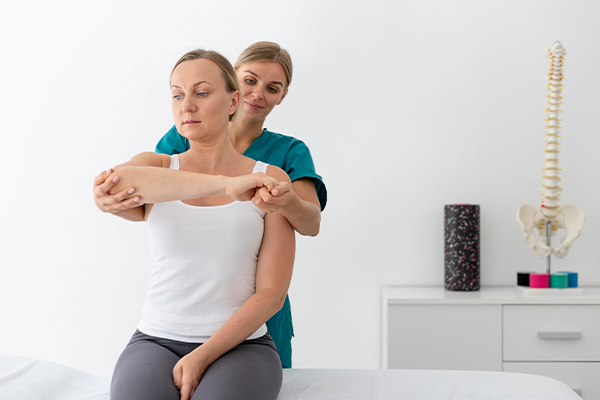
- Hands-on techniques that may involve mobilization of joints and soft tissues.
- Education on body mechanics to prevent re-injury.
When Should I Return to Normal Activities?
Returning to regular activities should be a gradual process. Key considerations are:
- Consult with your podiatrist regarding your specific condition.
- Listen to your body; any recurring pain should prompt re-evaluation.
- Start with low-impact activities, gradually increasing intensity.
What Are Some Common Signs of Setbacks?
Be vigilant for signs that may indicate a setback, such as:
- Increased pain levels beyond initial discomfort.
- Swelling or redness around the affected area.
- Difficulty performing daily activities that were previously manageable.
Frequently Asked Questions (FAQ)
1. How long will my recovery take?
Recovery times vary based on the specific condition and your adherence to treatment protocols. Typically, mild injuries may recover within weeks, while more severe conditions may take several months.
2. Can I still exercise during recovery?
Light, low-impact activities are usually encouraged, but consult your podiatrist for specific recommendations tailored to your injury.
3. What treatments are available for my foot condition?
Treatment options may include physical therapy, orthotic devices, and in certain cases, surgical intervention. A thorough assessment will guide personalized recommendations.
4. Should I avoid weight-bearing activities?
This depends on the nature of your injury. Some conditions allow for gradual weight-bearing, while others may require complete rest initially. Always follow your podiatrist's advice.
5. What should I do if I notice a setback?
If you experience a setback, contact your healthcare provider immediately to reassess your treatment plan.
Conclusion
Recovering from foot injuries or conditions can be complex, but with the right strategies, you can minimize setbacks and promote healing. At Achilles Physio Clinic in Ballincollig, Cork, we’re here to support you every step of the way. For personalized care or to book your appointment, please schedule a consultation today.

Ask Achilles Physiotherapy And Their Team
Fill in the form to request a call from our team. One of our team members will call you for FREE and answer any questions or concerns you may have about your condition
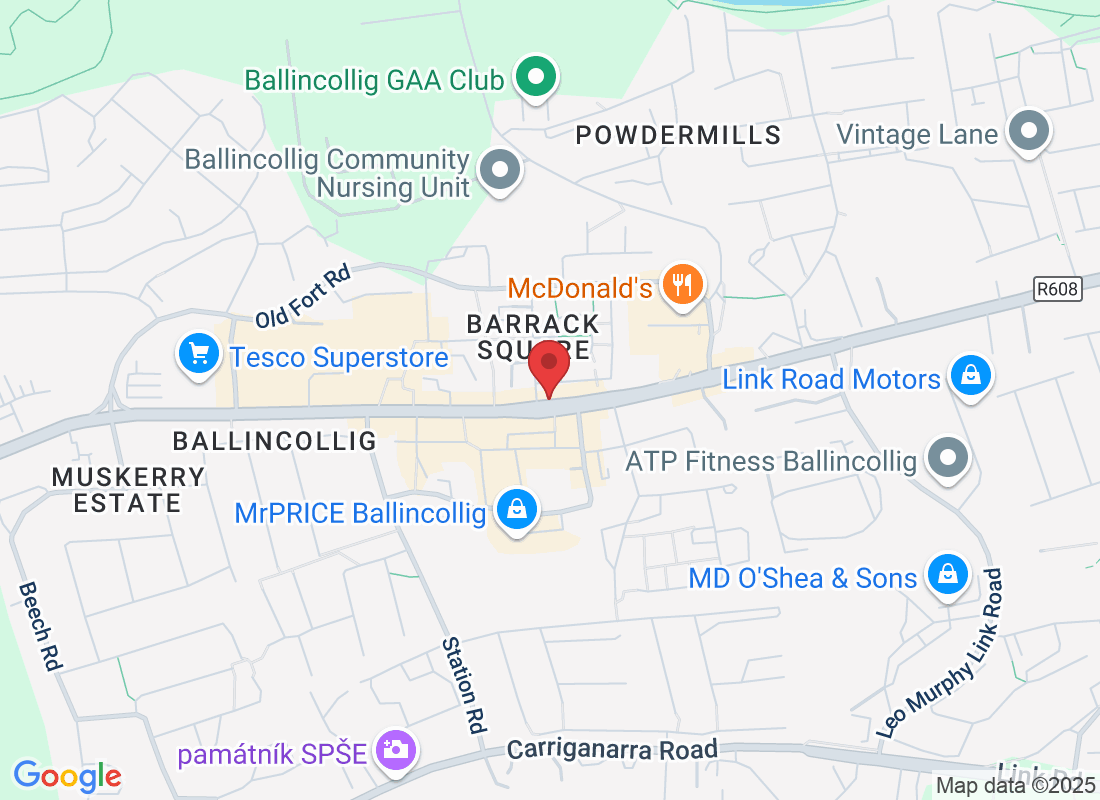
Where To Find Achilles Physiotherapy
If you have any questions before scheduling an appointment or for general inquiries, please use the contact us button below. Our team will promptly reach out to assist you.
Opening Hours
Monday: 8am - 6pm
Tuesday: 8am - 6pm
Wednesday: 8am - 6pm
Thursday: 8am - 6pm
Friday: 8am - 5pm